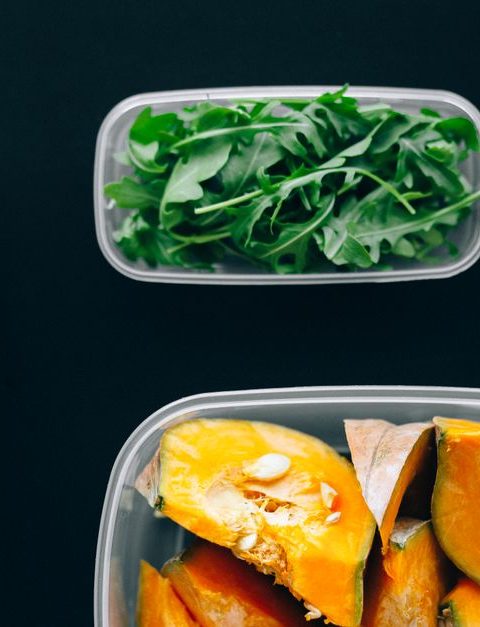
A family favourite earns its place at the table because people enjoy it. The bubbling cheese on pasta, the crisp edge of a potato wedge or the familiar texture of a burger can matter as much as the ingredients. Making healthy swaps in family favourites works best when you keep those pleasures in view. Rather than rebuilding every meal, choose small changes that bring more variety to the food you already cook.
Decide what the swap should achieve
Start with a particular dish and a clear purpose. Perhaps your spaghetti sauce could include more vegetables, your usual pie could contain a wider mix of fillings, or your chicken dinner could use a different cooking method. A useful change solves one practical problem without creating several new ones.
Healthy eating is about the overall pattern of meals. You do not need to alter every ingredient, and a homemade version is not automatically more balanced than a convenient one. Keep the parts your household values, then look for an adjustment that fits around them.
- Keep the identity: decide which flavour or texture makes the dish recognisable.
- Choose one change: try a different filling, topping, accompaniment or cooking method.
- Check the result: ask whether it still tastes good and feels satisfying.
- Keep it workable: favour ingredients you can buy easily and use again.
Give mince dishes a broader filling
Bolognese, cottage pie and chilli are useful places to experiment because their sauces can accommodate several ingredients. Replace some of the mince with cooked lentils, finely chopped mushrooms or a mixture of both. Lentils add fibre, while mushrooms bring a savoury flavour and a different texture.
For a sauce that usually uses 500g of mince, a first trial could use 350g of mince and 150g of drained cooked lentils. Keep the usual onion, tomato and seasonings. Simmer until the sauce has the consistency you like, adding a splash of water if it thickens too much.
Mushrooms need a slightly different approach. Cook them until their released water has evaporated before combining them with the sauce. Otherwise, the filling may become watery. Keep familiar finishing touches, such as a little grated cheese on spaghetti or a crisp potato topping on pie.
Adapt creamy dishes without losing their texture
Creaminess can come from several ingredients, but they behave differently when heated. Plain yoghurt can work as a cool accompaniment to spicy chicken, baked potatoes or wraps. It is less reliable as a direct replacement for cream in a rapidly boiling sauce, where it may split.
For macaroni cheese, try keeping your usual milk-based sauce and stirring in cooked cauliflower or peas before baking. This adds variety while preserving the sauce your family expects. Drain cooked vegetables thoroughly so they do not dilute it. A modest amount of a mature cheese can give a clear flavour throughout the dish.
If you want to change a topping, combine grated cheese with fresh breadcrumbs rather than simply removing it. Spread the mixture evenly so each serving has some crunch. The aim is a pleasing dish with several textures that everyone can enjoy.
Change the cooking method for crisp favourites
Oven-baked potato wedges and crumbed chicken can offer an alternative to deep-fried versions. The technique matters: crowded trays trap steam, and wet surfaces make browning harder. Dry the ingredients, leave space between pieces and use enough oil to coat their surfaces lightly.
Cut potato wedges to a similar size, toss with a little rapeseed or olive oil and spread them across a baking tray. Turn them during cooking and allow enough time for the centres to soften. Serve alongside the usual main course, with a vegetable accompaniment that people enjoy.
For crumbed chicken, use evenly sized pieces, press the crumbs on firmly and cook until the chicken is thoroughly cooked through. A crisp coating can keep the meal familiar even when you change the cooking method. Follow a reliable recipe for timings and temperature rather than assuming all pieces will cook alike.
Introduce wholemeal ingredients gradually
Wholemeal pasta, bread and flour can bring extra fibre, but their flavour and texture may differ from the versions your family knows. Start where that difference is likely to work well. A robust tomato sauce may suit wholewheat pasta, while a soft wholemeal roll may be an easy change for burger night.
For pizza dough or savoury baking, replace a little of the white flour with wholemeal flour on your first attempt. Wholemeal flour absorbs liquid differently, so use a recipe designed for mixed flour if you want a predictable result. Changing all the flour without adjusting anything else can produce a heavier dough.
You can also leave the main ingredient alone and vary the accompaniment. Serve the usual curry with some brown rice, for example, if the household enjoys it. Cook different rice types separately according to their instructions, since their cooking times can vary.
Build additions into burgers, wraps and pizza
Some of the easiest swaps happen at assembly time. Keep a favourite burger and offer sliced tomato, lettuce, grated carrot or roasted peppers alongside it. People can choose their combination, and you avoid making several separate dinners.
For wraps, try replacing part of a meat filling with beans, then keep the familiar salsa, seasoning and warm tortilla. Drain beans well and heat them with the filling so the flavours come together. Let everyone add crunchy vegetables at the table to keep them fresh.
With pizza, consider the balance of toppings rather than searching for a completely different base. Mushrooms, peppers, sweetcorn or leftover roasted vegetables can share space with cheese and other favourites. Cook watery vegetables first where needed, and avoid piling the centre so high that the base stays soggy.
Make changes openly and listen to feedback
Describe the food honestly and neutrally. Saying that you added lentils to the sauce gives everyone useful information without turning dinner into a lesson. Avoid labelling the old version as bad or treating acceptance of a new ingredient as a test.
If someone dislikes a change, find out what bothered them. A grainy sauce, a dry burger and an unfamiliar flavour need different solutions. Next time, change the amount or preparation, or return to the original and add something alongside it. Repeated pressure rarely makes a family meal more enjoyable.
Keep a short note of successful adjustments so you can repeat them. One dependable change to a regular dinner is more useful than a collection of ambitious replacements nobody wants again. For specific health conditions or individual dietary needs, ask a GP or registered dietitian for tailored advice. For everyday family cooking, begin with a favourite meal, make one thoughtful adjustment and let taste guide the next step.