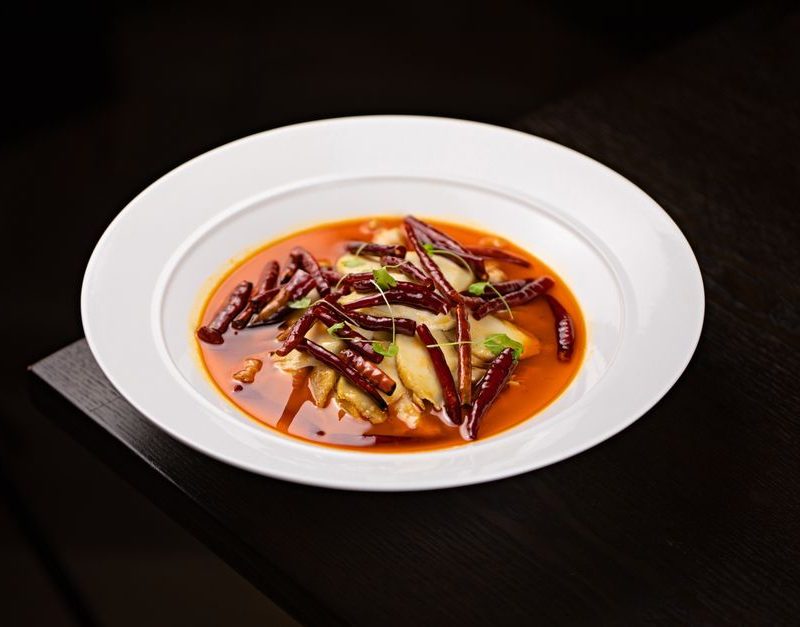
Roasted red pepper and tomato soup is a good reason to give your vegetables a little oven time before they reach the saucepan. The peppers soften and sweeten, the tomatoes become more concentrated, and the edges pick up a savoury roasted flavour. Blended together, they make a bright, substantial soup without needing cream. This version puts the roasting tray at the centre of the recipe, with a small amount of smoked paprika and a final splash of vinegar to bring everything into balance.
You can serve it smooth with a few basil leaves, or leave it slightly textured and add crunchy toast on the side. It works well for lunch, a light supper or a first course, and the finished soup freezes neatly in individual portions.
What makes this soup different
Red peppers share the spotlight with the tomatoes here. Their rounded sweetness softens the tomatoes’ sharper flavour, while roasting gives both vegetables more character than a quick simmer alone. Onion and garlic cook on the same tray, so their flavour becomes mellow before you blend them into the soup.
The method also gives you control over the texture. Start with a modest amount of stock, then add more once you can see how juicy your vegetables are. You get a soup that tastes of roasted vegetables rather than one that relies on cream or a large amount of liquid for its consistency.
Ingredients
Serves four. Allow about 15 minutes for preparation and 45–55 minutes for cooking. You will need a large roasting tray, a saucepan and a hand blender or jug blender.
- 3 large red peppers, about 600g, stalks and seeds removed
- 800g ripe tomatoes, medium or large
- 1 large onion, peeled and cut into thick wedges
- 4 garlic cloves, left in their skins
- 2 tablespoons olive oil
- 1 teaspoon smoked paprika
- 1 teaspoon dried oregano
- 500ml vegetable stock, plus up to 250ml extra as needed
- 1 teaspoon red wine vinegar, plus more to taste
- A small handful of fresh basil leaves
- Freshly ground black pepper
- Salt, if needed, depending on your stock
To serve, choose wholemeal bread or toast and, if you like, a spoonful of plain yoghurt or a scattering of toasted pumpkin seeds. These are optional finishing touches; the soup has plenty of flavour on its own.
How to make roasted red pepper and tomato soup
- Heat the oven and prepare the vegetables. Set the oven to 220°C, or 200°C fan. Cut each pepper into four broad pieces. Halve medium tomatoes or quarter larger ones, keeping the pieces reasonably similar in size so they roast evenly.
- Arrange the tray. Put the peppers, tomatoes, onion wedges and unpeeled garlic on a large roasting tray. Drizzle with the olive oil, add black pepper and toss gently. Spread everything out, with the pepper skins facing upwards. Use two trays if the vegetables would otherwise sit in a deep pile.
- Roast until softened. Roast for 35–45 minutes, turning the onion pieces halfway through. The tomatoes should slump, the onions should be tender, and the peppers should have darkened patches on their skins. Check the garlic after 25 minutes and remove it early if it is already soft.
- Remove loose pepper skins. Let the vegetables stand until safe to handle. Peel away any pepper skin that lifts off easily, especially heavily blackened patches. You do not need to remove every scrap. Squeeze the softened garlic from its skins and discard the skins.
- Bring the soup together. Transfer the vegetables, garlic and all the tray juices to a saucepan. Add the smoked paprika, oregano and 500ml stock. Bring to a gentle simmer and cook for 10 minutes, stirring occasionally.
- Blend carefully. Take the pan off the heat and add most of the basil. Blend with a hand blender until the soup reaches your preferred texture. If using a jug blender, let the soup cool slightly first, work in small batches and follow the appliance’s instructions for hot liquids.
- Adjust and serve. Stir in the vinegar, then taste. Add more stock a little at a time if the soup is too thick, followed by extra pepper, vinegar or salt as needed. Warm through gently and serve with the remaining basil and your chosen accompaniments.
Getting the roasting right
Give the vegetables enough space
A crowded tray traps moisture, which makes the vegetables steam in their juices. Some juice is welcome because it becomes part of the soup, but you also want exposed edges to colour. If using two trays, swap their positions during cooking if your oven heats unevenly.
Aim for dark patches, not burnt vegetables
Blistered pepper skins bring a roasted character, but thoroughly burnt onion or garlic can make the whole batch bitter. Keep the onion wedges chunky and tuck small garlic cloves beside the tomatoes. Remove any pieces that finish ahead of the rest rather than waiting for everything to catch up.
Use the tray juices
The liquid left beneath the vegetables carries plenty of flavour. Scrape it into the saucepan along with any soft browned bits. If it has become sticky, loosen it with a splash of the measured stock. Leave behind hard, blackened residue.
Balancing flavour and texture
Tomatoes vary considerably, so taste the soup after blending. If it seems a little flat, try the vinegar before reaching for more salt. Add it in small splashes, stirring and tasting between additions. If the soup is sharp, a longer gentle simmer may help the flavours settle; a spoonful of yoghurt at the table can also soften each mouthful.
For a thinner soup, add stock gradually. If you have added too much, simmer uncovered until the consistency suits you, stirring to prevent catching. A hand blender gives a pleasantly rustic finish; a jug blender generally produces a smoother result.
Serving ideas and simple variations
- Make lunch more substantial: serve with wholemeal toast topped with mashed white beans, lemon juice and black pepper.
- Add gentle heat: stir a small pinch of chilli flakes into the saucepan with the paprika.
- Change the herbs: replace the oregano with dried thyme, and finish with chopped parsley instead of basil.
- Add beans: blend a drained, rinsed 400g tin of cannellini beans into the soup, adding extra stock to loosen it.
- Choose a crunchy topping: scatter toasted pumpkin seeds over each bowl just before eating so they keep their texture.
Cooling, storing and reheating
Divide leftover soup into shallow containers so it cools promptly, and refrigerate within two hours. Keep chilled and use within two days, or freeze in suitable containers for up to three months. Leave some space at the top for expansion and label the portions so they are easy to identify.
Defrost frozen soup in the fridge before reheating. Heat in a saucepan, stirring regularly, until steaming hot throughout, adding a splash of water if it has thickened. Reheat only the amount you intend to eat, and add basil, yoghurt or seeds after heating for the freshest finish.