Eating more fruit often comes down to finding a place for it in the day you already have. A bowl of unfamiliar fruit can sit untouched, while a pear beside your lunch or orange segments ready after dinner might fit naturally. You do not need elaborate fruit platters, a new appliance or a complete change of diet. Start with fruit you enjoy, notice when you would actually eat it, and make that moment a little easier.
This guide focuses on making fruit a regular part of everyday meals: choosing appealing textures, attaching it to familiar routines and finding options for days when fresh fruit is running low.
Find your easiest fruit moment
Think about where fruit currently disappears from your plans. Perhaps breakfast happens in a hurry, lunch is bought outside, or the fruit bowl stays untouched until everything is overripe. Pick one of those situations to work on first, rather than trying to add fruit to every meal immediately.
Choose a clear cue that already happens most days. When you put a lunch plate on the table, add a clementine. When you take out your breakfast bowl, take out a banana too. When dinner plates are cleared, offer some sliced fruit. These are small serving decisions rather than another task to remember later.
Keep the first change straightforward enough to repeat on an ordinary busy day. If peeling a satsuma works for you, there is no need to replace it with a complicated fruit salad.
Choose fruit for the way you like to eat
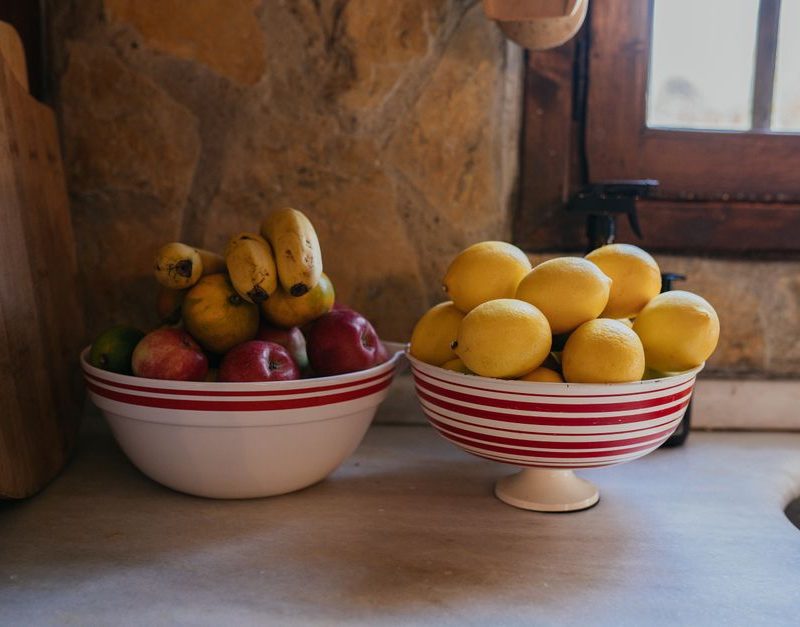
Preference matters. Someone who enjoys crisp, sharp apples may have little interest in a soft, very ripe pear. Someone else might happily eat melon but dislike chewy apple skin. Buy for the texture and flavour you enjoy, rather than choosing fruit simply because you feel you ought to.
- For crunch: try apples or firm pears, sliced just before eating.
- For soft textures: choose ripe bananas, ripe peaches or drained tinned pears.
- For a sharp flavour: try kiwi fruit, raspberries or a tart apple variety.
- For easy peeling: keep bananas, mandarins or clementines available.
If cold fruit feels unappealing, serve a small amount shortly after preparing it instead of eating it straight from the fridge. If large pieces are awkward, cut them into manageable slices. Changing the way you serve a familiar fruit can be more useful than buying something entirely new.
Add fruit alongside meals you already enjoy
Give breakfast a simple addition
You can add fruit without turning breakfast into a separate cooking project. Slice a banana beside toast, serve orange segments alongside eggs, or put chopped pear on cereal. Keep the rest of the meal familiar while the fruit becomes a regular extra.
Prepare only what helps. Setting a clean bowl and spoon out the evening before may be enough; you do not have to chop several days of fruit in advance. For a shared breakfast, put fruit on the table so everyone can choose what they want.
Make it part of lunch
Fruit can sit comfortably beside a sandwich, soup or leftovers. Decide which fruit belongs with lunch while you assemble the meal. At home, place it on the plate. If you are taking lunch out, pack it at the same time as the main food so it does not remain an intention.
For a savoury option, add a few apple slices to a cheese sandwich or chopped pear to a leafy side salad. Start with a small amount if sweet and savoury combinations are unfamiliar, and keep the other flavours simple.
Offer an easy finish to dinner
A plate of sliced pears, peeled citrus or fresh berries gives fruit a clear place after a meal. It can be served alongside another pudding when you want both. There is no need to present it as a reward for eating dinner or as a test of whether you have eaten well.
Keep a useful backup
Fresh, frozen and tinned fruit can all contribute to fruit and vegetable intake. Having a choice of formats means the habit need not depend on perfectly ripe fresh produce. Tinned peaches or pears can be especially convenient when you want fruit that needs very little preparation.
Choose tinned fruit in juice or water rather than syrup. After opening, transfer any leftovers to a covered container in the fridge and follow the pack’s storage instructions. For frozen fruit, check the label for preparation directions, including whether cooking is required before eating.
Dried fruit offers another option at mealtimes: add chopped apricots to cereal or raisins to a rice dish. Keep it to meals rather than grazing on it between meals to help protect teeth. These backups are useful additions to your routine; you can still choose fresh fruit whenever that appeals.
Make the serving step easier
Look at what happens between deciding to eat fruit and actually eating it. If you dislike sticky fingers, a small fork may help. If peeling feels inconvenient, choose fruit with edible skin and wash it before eating. If a large melon feels like too much work, buy a smaller fruit you can finish comfortably.
Wash fresh fruit under running water before preparing or eating it, and use clean utensils and a clean chopping board. Keep cut fruit covered in the fridge and prepare modest amounts that you expect to use soon. Whole fruit is often the easier choice when you cannot keep prepared food chilled.
For travel, protect delicate fruit in a container instead of letting it roll around loose. Choose something that suits the journey: a firm apple may arrive in better condition than a very ripe peach.
Let variety develop gradually
Keep a dependable favourite and try a different fruit occasionally. You might choose plums instead of pears, or mandarins instead of your usual oranges. Trying a small quantity gives you room to discover what you enjoy without committing to a large bag.
Ask the people you share food with which fruit they actually want. A household does not need identical preferences. Serving different fruits separately can work better than mixing everything together, especially if someone dislikes juice from one fruit touching another.
Keep the habit flexible
At the end of a few days, notice what you ate willingly and what stayed untouched. Adjust the fruit, timing or preparation to suit what happened. If breakfast is too rushed, move your fruit moment to lunch. If chopping was the obstacle, choose an easy peel option.
Fruit belongs within a varied diet alongside vegetables and other foods. You do not need to force large amounts or make up for a missed day. If a health condition affects what you can eat, ask your GP or a registered dietitian for individual advice. For everyday eating, begin with one appealing fruit at one reliable moment, then build from what works.