Vegetables might not be the first thing you reach for at breakfast, especially if your usual morning meal is cereal, toast or porridge. Yet you do not need to start cooking an elaborate brunch to make room for them. A few radishes beside your toast, grated carrot stirred into oats or leftover roasted peppers tucked into a wrap can make vegetables feel like an ordinary part of the morning.
The most useful approach is to keep the breakfast you enjoy and find a vegetable that fits it. Think about flavour, texture and the time you actually have. These ideas focus on small additions and easy combinations, so breakfast still feels familiar and manageable.
Start with the breakfast you already eat
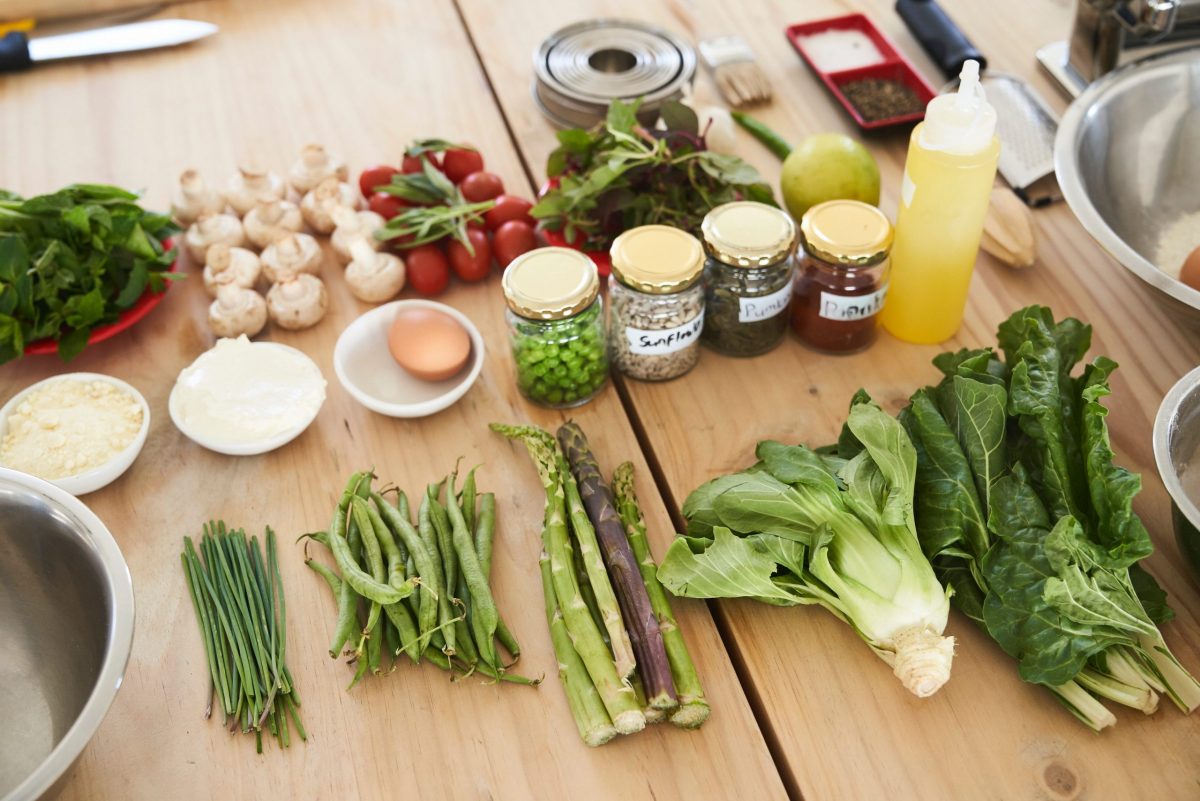
Rather than choosing an entirely new meal, look at what is already on your plate. If you like something crisp, try cucumber or radishes. If you prefer warm, soft food, cooked courgette or roasted squash may be more appealing. There is no need to force raw greens into a breakfast you would rather eat without them.
- Toast: add warmed peppers or a spoonful of cooked courgette.
- Porridge: try finely grated carrot with cinnamon, or turn your oats into a savoury bowl.
- A breakfast wrap: tuck in shredded cabbage, grated carrot or leftover roasted vegetables.
- A cold breakfast plate: serve cucumber, radishes or pepper strips alongside your usual bread and accompaniments.
Choose one pairing to try first. Repeating something you like is more useful than collecting a long list of ideas that require a different shopping trip every morning.
Give toast a vegetable topping
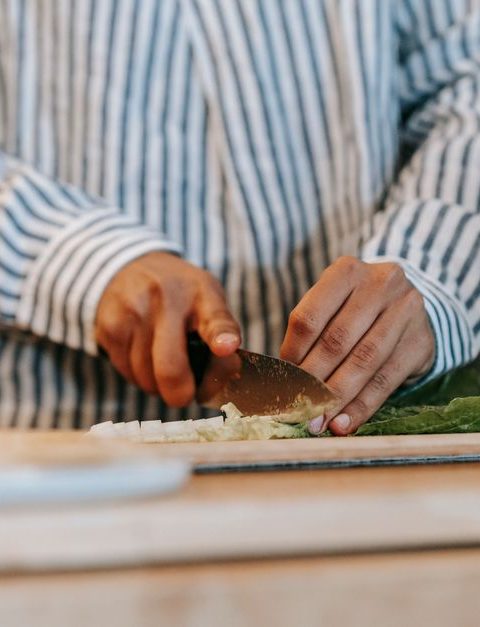
Toast makes a convenient base because you can change the topping without changing your routine. A thin layer of hummus, soft cheese or mashed beans helps vegetables stay in place. Add sliced cucumber for crunch, or drained roasted peppers for a softer topping. Cut everything small enough that it is easy to bite through.
For a warm option, soften half a small courgette, grated, in a little olive oil in a frying pan. Stir until the excess moisture has evaporated, then add black pepper and chopped parsley. Spoon it over toast with your preferred spread. Cooking off the moisture matters: wet vegetables can quickly turn crisp toast soggy.
If you carry breakfast with you, pack juicy toppings separately and assemble them when you eat. A small container of prepared vegetables can also sit beside toast rather than on it. Breakfast does not have to look like a carefully stacked café dish.
Try vegetables with oats
Keep familiar sweet flavours
Carrot is an easy starting point if you enjoy sweet porridge. For one serving, combine 40 g rolled oats, half a small finely grated carrot and about 200 ml milk or an unsweetened alternative in a small saucepan. Add a pinch of cinnamon and simmer gently, stirring, until the oats and carrot are tender. Add another splash of liquid if needed.
Finish with chopped walnuts or a spoonful of plain yoghurt if you like. The carrot should blend into the texture rather than remain in large crunchy strands. You can also stir a little plain cooked pumpkin or squash into porridge; avoid using a heavily seasoned leftover for this version.
Make a savoury bowl
If sweet porridge does not appeal, cook oats in water and add cooked peas or finely chopped cooked broccoli towards the end. Finish with a little grated cheese, black pepper and chives. Keep the vegetables small so each spoonful contains a mixture, and loosen the oats with water if they become too thick.
This is a useful way to experiment without buying unfamiliar ingredients. Start with a vegetable you already enjoy at lunch or dinner, and remember that savoury oats can be mild and simple rather than heavily spiced.
Let dinner provide tomorrow’s vegetables
When you are already cooking vegetables, set aside a little for breakfast before adding a strong sauce. Plain roasted carrots, squash, peppers or cauliflower can become a warm side, a wrap filling or a topping for a savoury bowl. This gives you a ready component without requiring a separate breakfast preparation session.
For an easy warm wrap, chop cooked peppers and courgettes into small pieces. Heat them thoroughly in a pan, add drained tinned beans and gently mash some of the beans to hold the mixture together. Spoon into a warmed wholemeal wrap and fold securely. A squeeze of lemon or a little chopped coriander can freshen the flavour.
Cool cooked leftovers promptly, refrigerate them within two hours and use them within two days, or freeze suitable portions. Reheat only once, until steaming hot throughout. Keep a clean portion aside at dinner rather than saving food that has been sitting on someone’s plate.
Choose crunch when you do not want to cook
Vegetables do not have to be incorporated into a recipe to belong at breakfast. A few cucumber slices beside bread and cheese, or pepper strips with a bean spread, can be enough to change the meal. This approach suits mornings when washing a pan feels like one job too many.
Wash fresh vegetables before preparing them, and keep cut pieces covered in the fridge. Dry cucumber and peppers after washing so they do not leave everything else wet. Prepare only what you expect to use soon; crisp vegetables are more inviting than a large forgotten tub.
Make the flavour work for you
If a vegetable breakfast tastes flat, consider what is missing before abandoning the idea. Cooked vegetables may need a little acidity, while a soft bowl may benefit from something crunchy. Use small finishing touches that suit the meal.
- Add lemon juice to warmed peas or roasted vegetables.
- Pair carrot porridge with cinnamon and toasted nuts.
- Scatter chives or parsley over savoury oats.
- Add crisp radishes to a soft wrap filling.
- Use a little smoked paprika with warmed peppers and beans.
You can keep vegetables visible or grate and chop them finely according to your preference. Neither approach needs to become a rule. The aim is a breakfast you want to eat, with vegetables contributing flavour as well as variety.
Build one repeatable morning habit
Choose one vegetable, one breakfast and one convenient preparation step. That might mean grating a carrot while the kettle boils, keeping cucumber ready for toast or reserving roasted peppers from dinner. Try the combination a few times and adjust the texture or seasoning before adding more options.
You do not need vegetables at every breakfast, and adding them should not leave your meal too small to satisfy you. Keep the rest of your breakfast and adjust the amount to your appetite. If a health condition affects which foods you can eat, a GP or registered dietitian can help you adapt these ideas to your needs.