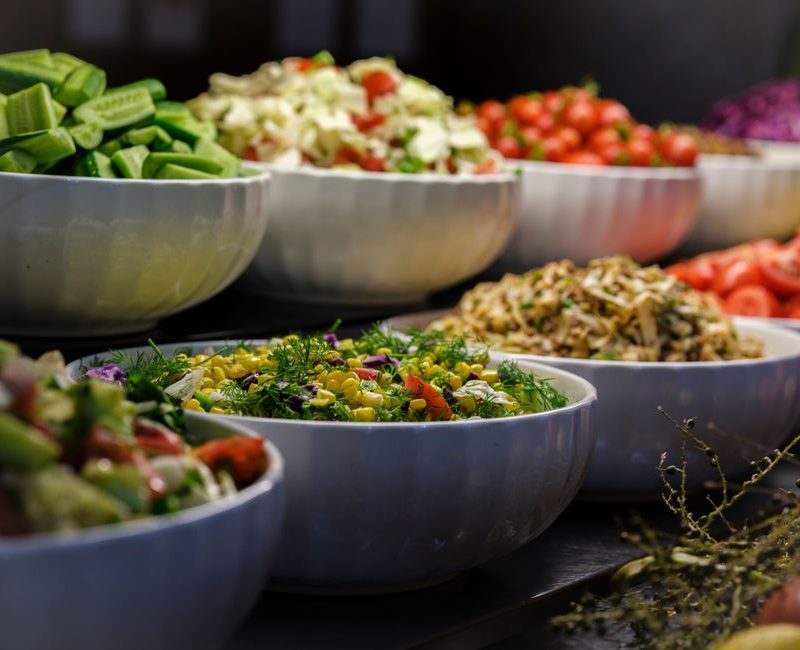
Lemon chicken and orzo salad brings tender chicken, small pasta shapes and crisp vegetables together in a bright, generous bowl. Lemon zest gives the chicken a fragrant edge, while lemon juice lifts the dressing. Cucumber, cherry tomatoes and fresh herbs provide plenty of contrast, so every forkful has something different to offer.
This recipe focuses on keeping those textures distinct. Cook the chicken separately, dress the pasta while it is slightly warm, then let the steam escape before adding the vegetables. You can serve everything just warm after cooking, or chill the salad for later. Taste it again before serving, because orzo absorbs dressing as it stands.
Lemon Chicken and Orzo Salad
Serves: 4. Preparation: about 20 minutes. Cooking: about 20 minutes, with some tasks done alongside one another. You will need a large saucepan, a frying pan, a colander and a roomy mixing bowl.
Ingredients
- 450 g skinless, boneless chicken breasts
- 250 g dried orzo
- 1 large lemon, zest finely grated and juice squeezed
- 3 tablespoons olive oil, divided
- 1 small garlic clove, finely grated
- 1 teaspoon dried oregano
- 1 teaspoon Dijon mustard
- 1 tablespoon water, plus extra if needed
- Half a large cucumber, about 200 g, diced
- 250 g cherry tomatoes, halved
- 3 spring onions, thinly sliced
- 25 g flat-leaf parsley, leaves and tender stems chopped
- 10 g fresh mint leaves, chopped
- 60 g feta, crumbled, optional
- Salt and freshly ground black pepper, to taste
Measure two tablespoons of lemon juice for the dressing and reserve any remaining juice for adjusting the finished salad. Lemons vary in size and sharpness, so tasting at the end is more useful than automatically adding every drop. Have a second lemon available if the first gives very little juice.
Method
- Prepare the chicken. On a board reserved for raw meat, slice the chicken breasts horizontally into thinner cutlets of a similar thickness. Mix one tablespoon of olive oil with the garlic, oregano, half the lemon zest and a little salt and pepper. Coat the chicken. Wash your hands and clean the board and utensils before preparing ingredients that will be eaten raw.
- Cook the orzo. Bring a large saucepan of water to the boil. Add the pasta, stir well and cook according to the packet instructions until tender with a slight bite. Stir occasionally to prevent sticking, especially during the first few minutes. Drain thoroughly and leave briefly in the colander while you mix the dressing.
- Dress the pasta. In the mixing bowl, whisk the remaining two tablespoons of olive oil with two tablespoons of lemon juice, the remaining zest, mustard and one tablespoon of water. Add black pepper, then stir in the drained orzo while it is still slightly warm. Spread it around the bowl and turn it occasionally to release steam.
- Cook the chicken. Heat a large frying pan over a medium heat. Add the cutlets in a single layer, working in batches if necessary. Cook for roughly 4 to 6 minutes on each side, depending on thickness, until cooked through. Check that a food thermometer reads 75 degrees Celsius in the thickest part. Transfer to a clean plate, rest for five minutes and slice into strips.
- Add the vegetables. Once the orzo is no longer hot, fold in the cucumber, tomatoes and spring onions. Add the parsley and mint, keeping a small handful back for serving. If the cucumber has a particularly watery centre, scoop out the soft seeds before dicing it.
- Finish the salad. Gently toss the sliced chicken through the pasta and vegetables. Add the optional feta, then taste a forkful containing several ingredients. Adjust with reserved lemon juice, black pepper or a little salt as needed. If the pasta feels dry, add a splash of water. Scatter over the reserved herbs and serve.
Getting the textures right
Keep the chicken evenly thick
A whole chicken breast often has one thick end and one thin tip, which makes even cooking awkward. Cutting it into thinner pieces helps each portion cook at a similar pace. If necessary, gently flatten a thicker piece between sheets of baking parchment. Give the cutlets room in the pan and let them rest before slicing, so the finished strips stay tender.
Let the orzo release its steam
Small pasta shapes hold heat when piled together. Turn the dressed orzo over a few times while you finish cooking the chicken, rather than leaving it in a dense mound. Adding cucumber and herbs to very hot pasta softens them quickly. Waiting until the steam has subsided preserves the contrast between tender pasta and fresh vegetables.
Taste everything together
The dressing may taste quite sharp on its own, but that changes once it coats the chicken and pasta. Feta also contributes saltiness, so add it before making your final seasoning adjustments. If the finished salad tastes too lemony, try another teaspoon of olive oil. If it seems flat, add a small squeeze of lemon and a few more chopped herbs.
Serving ideas and easy variations
Spoon the salad into shallow bowls so the chicken and vegetables stay evenly distributed. A handful of rocket alongside gives a peppery contrast, while steamed green beans make a simple extra vegetable. For a shared meal, put the bowl in the centre of the table with serving spoons and let everyone help themselves.
- Add peas: cook 150 g frozen peas with the orzo towards the end of its cooking time, following the packet instructions for the peas, then drain together.
- Change the herbs: replace the mint with fresh dill, which works particularly well with cucumber and lemon.
- Use cooked chicken: substitute 350 g cooked, chilled chicken. Skip the raw chicken seasoning and cooking stages, then fold the chicken into the cooled pasta.
- Omit the feta: leave it out for a dairy-free version. A few chopped olives can add a savoury finishing touch instead.
Making ahead and storing
For the freshest result, keep the chopped vegetables and herbs separate from the cooked components until close to serving. Refrigerate prepared ingredients in covered containers. The dressed orzo may firm up and absorb liquid while chilling; loosen it with a little water, then taste before deciding whether it needs more lemon.
Cool cooked chicken and pasta promptly in shallow containers and refrigerate within two hours. Store the finished salad covered in the fridge and eat within two days of cooking the chicken, or sooner if another ingredient needs using earlier. Keep it chilled until serving and return unused portions to the fridge promptly. Freezing the assembled salad is best avoided because cucumber and tomatoes lose their crisp texture when thawed.