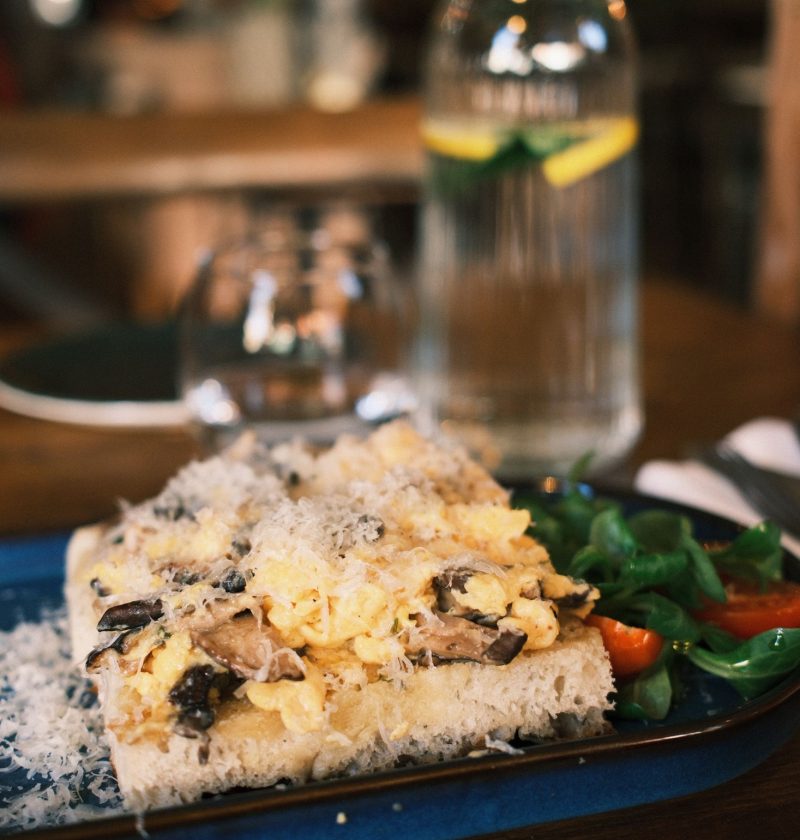
Mushrooms and spinach make scrambled eggs substantial, but both vegetables release water that can overwhelm the eggs. This recipe cooks the vegetables first and removes excess moisture before the eggs enter the pan. The result is a scramble with distinct mushroom pieces, green leaves, and tender, fully set curds rather than eggs floating in vegetable juices.
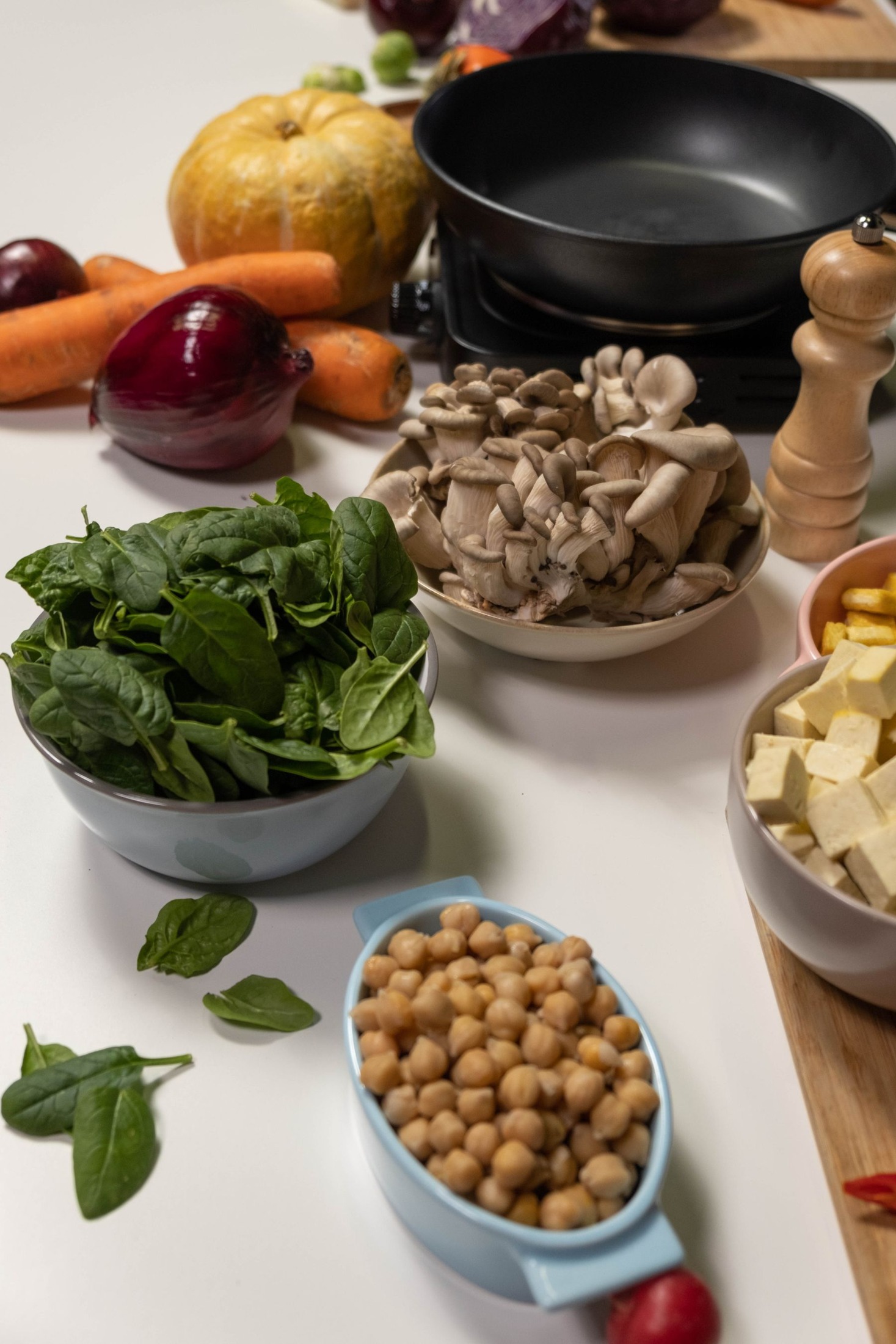
Chives provide a mild onion finish, while a little milk makes the beaten eggs easier to distribute around the filling. The method does not depend on leaving eggs runny. Gentle heat and timely removal from the hot pan help protect the texture while still cooking the egg mixture thoroughly.
Servings, Timing, and Equipment
Makes 2 servings. Allow 10 minutes for preparation and 12 to 15 minutes for cooking, approximately 25 minutes total. Use a 10-inch nonstick skillet, a flexible silicone spatula, a mixing bowl, and an instant-read food thermometer. Set out plates before the eggs go in so the finished scramble does not sit in the skillet while other tasks are completed.
Ingredients
- 4 large eggs
- 2 tablespoons milk
- 8 ounces cremini or white mushrooms, sliced 1/4 inch thick
- 3 ounces baby spinach, washed and drained
- 1 tablespoon olive oil
- 1 teaspoon unsalted butter
- 1 small garlic clove, minced
- 1/4 teaspoon fine salt, divided
- 1/8 teaspoon black pepper
- 1 tablespoon finely snipped chives
- 2 slices whole-grain bread for serving, optional
- 1 teaspoon additional butter for toast, optional
Prepare the Vegetables and Eggs
Brush soil from the mushrooms or rinse briefly and dry immediately. Avoid leaving them soaking in a bowl of water. Slice them evenly, including the tender stems, and discard only dry or tough stem ends. Dry spinach in a salad spinner or pat it with a clean towel; water clinging to the leaves increases the time needed in the pan.
Crack eggs into a bowl, add milk, black pepper, and half the salt, and beat until the whites and yolks are completely combined. Long clear strands of white can otherwise set separately. Keep the mixture refrigerated if preparation pauses. Wash hands and any surfaces contacted by raw egg before handling toast, chives, or serving dishes.
Numbered Scrambling Steps
- Heat olive oil in the skillet over medium-high heat. Add mushrooms in an even layer and leave them undisturbed for 2 minutes, allowing the underside to begin browning.
- Stir, add the remaining salt, and cook for another 4 to 5 minutes. Continue until released liquid has largely evaporated and the mushroom edges are golden. Lower the heat if the pan starts to smoke.
- Add garlic and stir for 30 seconds. Add spinach in two handfuls and cook for 1 to 2 minutes until wilted. If liquid pools, keep stirring briefly until it evaporates.
- Reduce the heat to low and add butter. When melted, spread vegetables evenly and pour in the beaten eggs. Wait 20 to 30 seconds, then draw the spatula slowly across the bottom to form broad curds.
- Continue gentle folding for approximately 3 to 5 minutes. Move cooked curds aside so liquid egg reaches the pan. Cook until no liquid egg remains and the egg mixture reaches 160 F, checking several places without touching the pan with the thermometer.
- Remove from the heat immediately, scatter with chives, and divide between plates. Serve with optional toast while the eggs are warm.
Recognize Doneness Without Overcooking
The finished eggs should be fully set but not browned. A slight sheen from butter or mushroom juices is different from translucent, flowing raw egg. The thermometer is the more reliable safety check; FDA safe food handling guidance lists 160 F for egg dishes. Cooking time alone cannot establish that temperature, especially with eggs taken straight from a very cold refrigerator.
If the curds become small and dry before the rest of the egg sets, the heat is too high. Lower it and fold more slowly. If vegetables are crowded into a smaller pan, cook mushrooms in batches so they brown instead of steaming. Resist adding extra raw spinach at the end, since it releases fresh moisture just as the eggs finish.
Substitutions and Serving Ideas
Use 2 tablespoons unsweetened soy milk instead of dairy milk, or omit milk entirely for slightly firmer eggs. Replace butter with 1 teaspoon olive oil. Chopped tender kale can replace spinach, but cook it with 2 tablespoons water until tender before adding eggs, then evaporate the water. Scallion greens can stand in for chives in the same quantity.
For an additional savory finish, add 2 tablespoons grated cheddar during the last minute of cooking. Do not increase cheese substantially without reducing salt after tasting. Sliced tomatoes or a simple cucumber salad provide a cool contrast. If making four servings, use two skillets or cook two batches rather than doubling everything in the same 10-inch pan.
Storage and Reheating
Scrambled eggs have the best texture immediately after cooking. Refrigerate leftovers promptly in a shallow covered container at 40 F or below, within 2 hours, or 1 hour above 90 F. Use within 3 days. Reheat gently in short microwave intervals, stirring, until every part reaches 165 F. Freezing is possible but often makes these vegetables watery, so it is not recommended for texture. Follow USDA leftover guidance.