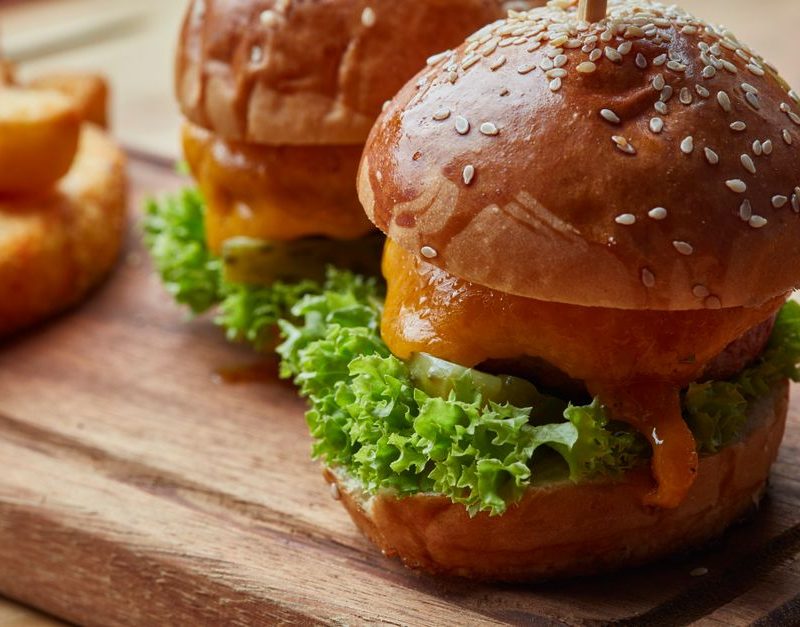
Sweet potato and black bean burgers are at their best when they have a lightly crisp outside and a soft, textured middle. Roasted sweet potato brings sweetness, black beans give the mixture substance, and cumin, smoked paprika and lime keep the flavour lively. These homemade burgers are easy to tuck into buns, but they are just as useful served with crunchy salad and a spoonful of yoghurt sauce.
The trick is to control the moisture before you shape them. Roasting the sweet potato, drying the beans and leaving some chunky pieces in the mixture all help. A short chill then makes the patties easier to handle. You do not need a food processor or any specialist ingredients: a fork, a bowl and a baking tray will do the job.
Sweet potato and black bean burgers
This recipe makes four generous burgers. Allow about 25 minutes for preparation, 30 minutes for roasting the sweet potato, 30 minutes for chilling and 30 minutes for baking the burgers. Some preparation can happen while the sweet potato cooks. The mixture is egg-free, and you can keep the whole meal vegan by choosing suitable buns and toppings.
Ingredients
- 350g sweet potato, peeled weight, cut into roughly 2cm cubes
- 1 tablespoon olive oil, divided between roasting and brushing
- 1 tin black beans, about 400g, drained and rinsed, giving roughly 240g drained beans
- 2 spring onions, trimmed and finely sliced
- 1 small garlic clove, finely grated
- 1 teaspoon ground cumin
- 1 teaspoon smoked paprika
- Finely grated zest of 1 lime, plus 1 teaspoon lime juice
- 60g fine dry wholemeal breadcrumbs, plus up to 20g extra if needed
- 2 tablespoons finely chopped fresh coriander, optional
- A small pinch of salt and freshly ground black pepper
To serve
- 4 burger buns, wholemeal if you like
- A few lettuce leaves and 2 sliced tomatoes
- 4 tablespoons plain yoghurt or unsweetened plant-based yoghurt
- 1 teaspoon lime juice
- A small handful of finely chopped coriander or chives, optional
Method
- Roast the sweet potato. Heat the oven to 200°C fan, 220°C conventional or gas mark 7. Spread the sweet potato on a baking tray and toss with 2 teaspoons of the olive oil. Roast for 25–30 minutes, turning once, until tender with a few golden edges. Avoid crowding the tray, as the pieces need space for moisture to evaporate.
- Dry and mash the beans. While the sweet potato cooks, spread the drained beans on a clean tea towel or kitchen paper and pat them dry. Transfer to a large bowl and mash with a fork until most are broken down, leaving some small pieces for texture.
- Cool the sweet potato. Let the roasted pieces stand for about 10 minutes so the steam can escape. Mash roughly on the tray, then add to the beans. If any pieces have very dark or burnt edges, remove those before mixing.
- Build the mixture. Add the spring onions, garlic, cumin, smoked paprika, lime zest, teaspoon of lime juice, breadcrumbs and optional coriander. Season lightly and mix thoroughly with a fork. Leave for 5 minutes so the breadcrumbs can absorb some moisture.
- Check and shape. Squeeze a spoonful together. It should hold its shape without spreading across your palm. If it feels wet and sticky, mix in extra breadcrumbs a tablespoon at a time. Divide into four equal portions and shape into patties about 2cm thick, pressing any cracks together. Place on a lined tray and refrigerate for 30 minutes.
- Bake the burgers. Set the oven to 180°C fan, 200°C conventional or gas mark 6. Brush the patties with the remaining teaspoon of oil. Bake for 25–30 minutes, carefully turning with a wide spatula after about 18 minutes. They should be lightly browned, firmer around the edges and piping hot in the centre.
- Assemble and serve. Mix the yoghurt with the lime juice and optional herbs. Lightly toast the buns, then add lettuce, a burger, tomato slices and a spoonful of sauce. Let the burgers stand for 3 minutes after baking before lifting them into the buns; this helps them settle.
How to get burgers that hold together
Start with dry ingredients. Boiled sweet potato can carry more water into the bowl than roasted pieces, so roasting is the more reliable choice here. Likewise, give the beans a proper pat dry rather than tipping them straight from the colander. These small steps reduce the amount of breadcrumbs you need.
Keep some texture. Blending everything into a smooth paste makes a softer, denser burger. A fork leaves little pieces of bean throughout the mixture. Mash the sweet potato enough to bind those pieces together, then stop when the ingredients are evenly combined.
Adjust gradually. Sweet potatoes vary in moisture, and breadcrumbs vary in absorbency. The mixture should feel soft but mouldable. Add extra crumbs slowly, allowing a minute between additions, rather than making it stiff and dry. If you accidentally add too much, a teaspoon of water can help bring it back together.
Turn gently. These vegetable burgers stay more delicate than meat burgers. Let the first side firm up before turning, slide a wide spatula underneath the whole patty, and avoid repeatedly moving them around. Baking gives them a dependable surface to cook on.
Serving ideas beyond the bun
For a fork-and-knife supper, serve the burgers with shredded cabbage, grated carrot and cucumber, dressed with lime juice and a little olive oil. Add potato wedges or a slice of bread according to your appetite. The fresh crunch works especially well with the soft burger centre.
You can also tuck a burger into a warmed flatbread with lettuce and yoghurt sauce. Break it into a few large pieces to distribute the filling, then add thinly sliced red onion or sliced avocado. Keep wet toppings modest so the bread stays easy to hold.
Simple variations
- Add gentle heat: stir a pinch of chilli flakes into the burger mixture, or serve chopped fresh chilli separately.
- Change the herbs: replace coriander with parsley, or leave the herbs out and let the lime and spices lead.
- Make smaller patties: divide the mixture into eight for smaller buns. Start checking after 18 minutes and cook until firm at the edges and piping hot throughout.
- Use a different topping: try sliced avocado with lime, or a little grated mature Cheddar melted over the burgers towards the end of baking.
Making ahead and storing
You can shape the uncooked patties, cover them and refrigerate for up to 24 hours before baking. Keep the sauce and salad separate, and assemble the buns just before eating.
Cool cooked burgers promptly and refrigerate within two hours in a covered container. Eat within 48 hours, reheating only once until piping hot throughout. An oven helps restore the surface: allow roughly 15–20 minutes at 180°C fan, checking the centre before serving.
For longer storage, freeze cooled cooked burgers individually on a lined tray, then transfer to a freezer container. Use within three months for best quality. Defrost overnight in the fridge before reheating, and add freshly prepared toppings when you serve them.