Wild garlic and potato soup turns a handful of spring leaves into a comforting lunch with a fresh, savoury flavour. Potatoes give the soup its body, while softened onion and leek provide a gently sweet background. You do not need a long list of seasonings or a generous pour of cream to make it satisfying.
The key is to cook the potatoes completely before adding the wild garlic. The leaves then need only a short time in the pan before you blend everything together. A squeeze of lemon brings the flavours into focus, and wholemeal bread makes a useful accompaniment for dipping.
Wild Garlic and Potato Soup
Serves: 4. Preparation time: about 15 minutes. Cooking time: about 30 minutes. Use a large saucepan and a stick blender, or a jug blender suitable for hot liquids.
Ingredients
- 1 tablespoon olive oil
- 1 medium onion, finely chopped
- 1 medium leek, trimmed, thoroughly washed and thinly sliced
- 600g floury potatoes, peeled and cut into roughly 2cm cubes
- 900ml reduced-salt vegetable stock, plus extra if needed
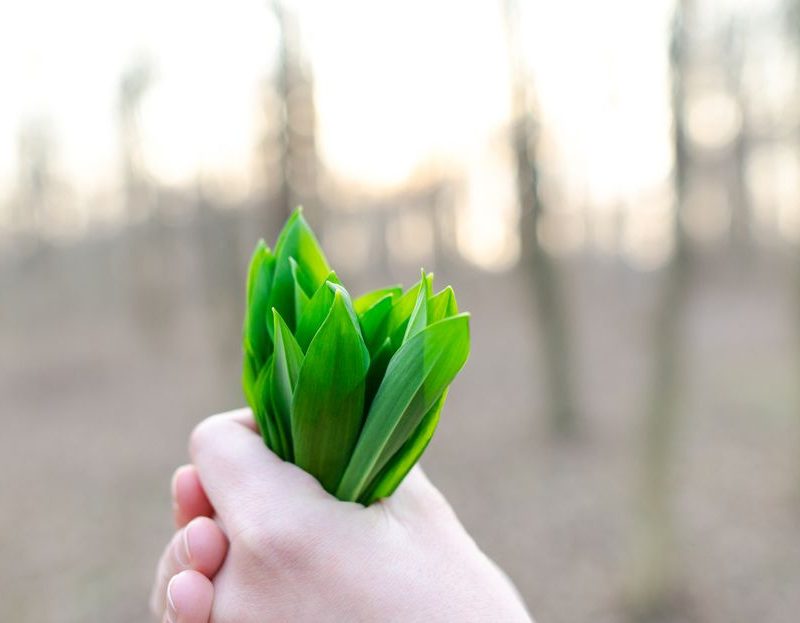
- 80g fresh wild garlic leaves, thoroughly washed and roughly chopped
- 2 tablespoons plain yoghurt, optional, plus extra for serving
- 1 to 2 teaspoons lemon juice, to taste
- Freshly ground black pepper
- Salt, if needed after tasting
- Wholemeal bread, to serve
Method
- Prepare the vegetables. Check the wild garlic and discard damaged or slimy leaves. Wash thoroughly under running water, drain and roughly chop. Split the leek lengthways and rinse between its layers to remove grit. Cut the potatoes into similar-sized pieces so they soften at the same rate.
- Soften the onion and leek. Heat the oil in a large saucepan over a medium-low heat. Add the onion and leek with a splash of water. Cook for 8 to 10 minutes, stirring regularly, until soft and translucent. Reduce the heat if they start to brown; you want a gentle sweetness in the base.
- Cook the potatoes. Stir in the potato cubes and pour over the stock. Bring to a gentle boil, reduce the heat and partially cover the pan. Simmer for 15 to 20 minutes, stirring occasionally, until the potatoes are very tender. Test several pieces with a knife to check there are no firm centres.
- Add the wild garlic. Stir the chopped leaves into the soup and simmer gently for 2 to 3 minutes, until wilted and softened. Remove the pan from the heat.
- Blend briefly. Use a stick blender to blend until smooth, keeping its head submerged to avoid splashes. Stop once the leaves and potato pieces have broken down. If using a jug blender, follow its instructions for hot liquids, work in small batches and allow steam to escape as directed.
- Finish the soup. Stir in extra stock or water a little at a time if the soup is too thick. Add the yoghurt, if using, and 1 teaspoon of lemon juice. Taste before adding more lemon, black pepper or salt. Warm gently if needed, avoiding boiling after adding yoghurt, then serve with bread.
Choosing and preparing the leaves
If you are unfamiliar with wild garlic, buy it from a reputable food supplier. Some poisonous plants can resemble edible wild greens. Only eat foraged leaves that have been positively identified by someone with appropriate expertise. A recipe cannot replace proper plant identification, so do not use uncertain leaves in the hope that cooking will make them safe.
Choose fresh leaves without slimy patches or signs of deterioration. Keep them chilled and use them promptly. Even leaves that look clean need thorough washing before cooking. Drain them well, then chop roughly so they are easy to stir into the saucepan and less likely to wrap around the blender blade.
Wild garlic can vary in strength. Keeping the rest of the ingredients simple lets you judge its flavour clearly, without ordinary garlic competing in the background. Taste the soup after blending, when the leaves are evenly distributed, before deciding whether it needs more lemon or seasoning.
Getting the texture right
Floury potatoes, such as Maris Piper, soften readily and give the soup a creamy consistency without cream. Cutting them evenly matters more than making perfect cubes. If some pieces are still firm when you add the greens, you will need to cook everything longer, losing some of the freshness of the leaves.
Blend in short bursts and stop when you reach the texture you like. Prolonged blending can make potato soup sticky. A slightly rustic finish is perfectly pleasant, especially if you enjoy a few small pieces of potato. For a deliberately chunky version, reserve a ladleful of cooked potato and leek before adding the greens, then return it after blending.
Add extra liquid at the end rather than pouring in lots at the start. A small splash can make a noticeable difference. Aim for a soup that flows easily from a ladle but still feels substantial. If you use yoghurt, stir it in off the heat and warm gently afterwards to help prevent it separating.
Serving ideas and easy variations
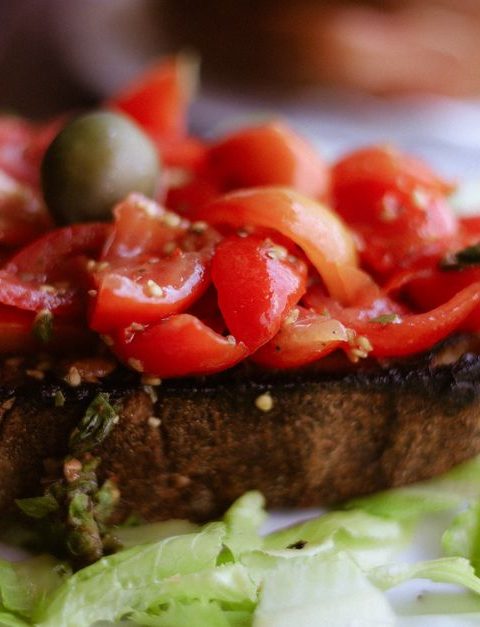
A spoonful of yoghurt gives each bowl a tangy finish. For crunch, scatter over a few toasted pumpkin seeds just before eating. Serve bread alongside rather than leaving it in the soup, where it quickly softens. A simple tomato salad makes a fresh accompaniment if you want something else on the table.
- Dairy-free: leave out the yoghurt. The potatoes already provide plenty of body, so no replacement is necessary.
- With white beans: add a drained, rinsed 400g tin of cannellini beans after blending. Heat until piping hot throughout, adding extra stock if necessary.
- A milder bowl: replace half the wild garlic with washed spinach. Add both greens at the same stage of the method.
- With croutons: toast small bread cubes in a little olive oil until crisp and add them at the table.
Storing and reheating
Cool leftover soup promptly in shallow containers and refrigerate within two hours. Eat within two days. It thickens as it stands, so stir in a little water or stock when reheating. Heat only the portion you need, stirring regularly until piping hot throughout, and reheat leftovers only once.
For freezing, set portions aside before adding the yoghurt. Cool promptly and pack into freezer-safe containers, leaving space for expansion. Freeze for up to three months for best quality and defrost in the fridge before reheating. If the texture separates slightly, stir well as it warms. Add yoghurt and lemon to taste just before serving.