Getting enough protein from plants starts with recognising which foods can do the main work in a meal. A colourful bowl of vegetables may be delicious, but it still needs a substantial protein source alongside it. Whether you eat entirely plant based or simply want to rely less on meat, a few reliable choices can make everyday eating feel much more straightforward. The aim is to include protein deliberately across your day, while leaving room for the carbohydrates, fats, fruit and vegetables that also belong in a varied diet.
Give each main meal a clear protein source
Before thinking about individual nutrients, look at what you are about to eat and ask: where is the protein coming from? With a lentil dhal, tofu stir-fry or bean casserole, the answer is obvious. With vegetable soup, plain pasta or a leafy salad, it may need a little more thought. This simple question helps you spot gaps without weighing every ingredient or keeping a food diary.
A sprinkle of seeds or a thin spread of hummus contributes some protein, but may be quite a small contribution when it is the only source in the meal. Give beans, lentils, tofu, tempeh or another suitable food enough space to be a meaningful part of what you eat. Adjust the overall amount to your appetite and needs rather than following a rigid plate rule.
Know which plant foods are doing what
Pulses are useful everyday foundations
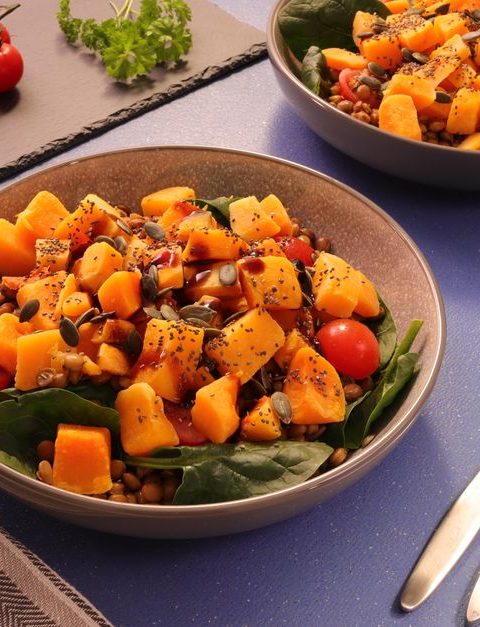
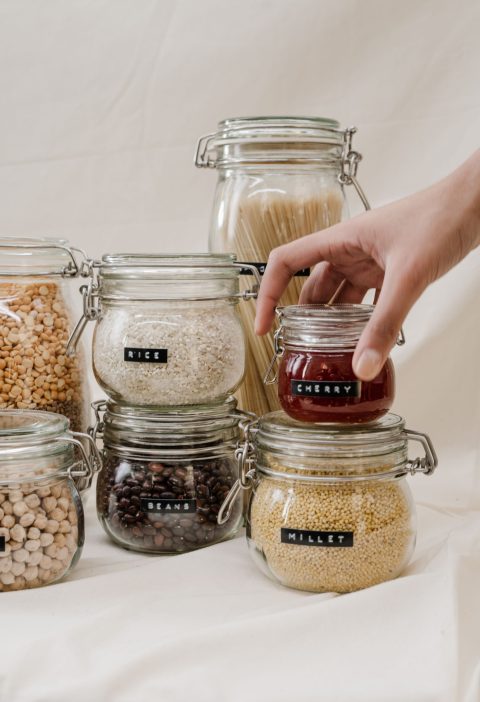
Beans, chickpeas, lentils and split peas provide protein alongside fibre. They work well as a central ingredient in soups, stews, sauces and salads. Tinned and ready-cooked versions are useful when time is short; dried versions suit days when you can allow for soaking or longer cooking. Follow the packet instructions, especially when preparing dried beans.
Soya foods offer another dependable option
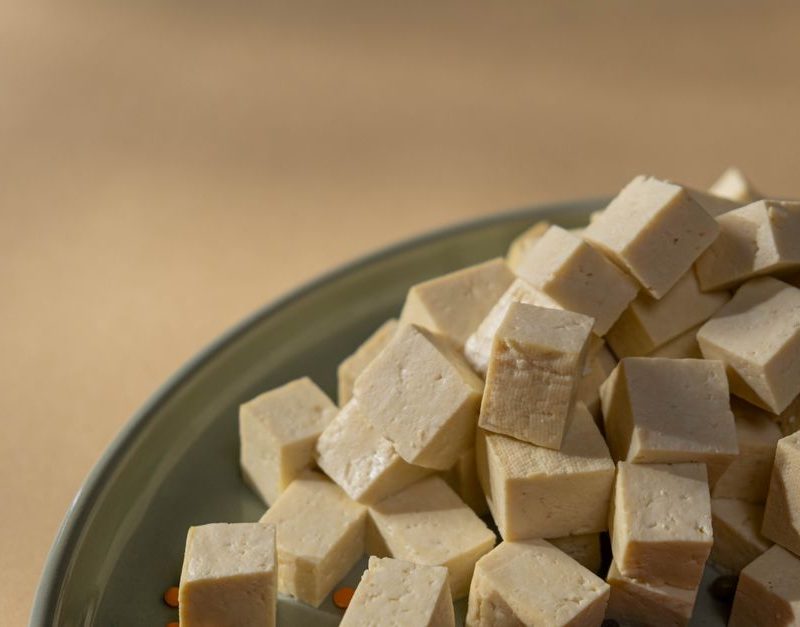
Tofu, tempeh, edamame and soya mince give you alternatives when you do not want another bowl of beans. Firm tofu can become the main ingredient in a traybake or noodle dish, while silken tofu blends into sauces. Edamame can be added to rice bowls or served alongside a meal. Check preparation instructions, since products differ in whether they need cooking.
Grains, nuts and seeds contribute too
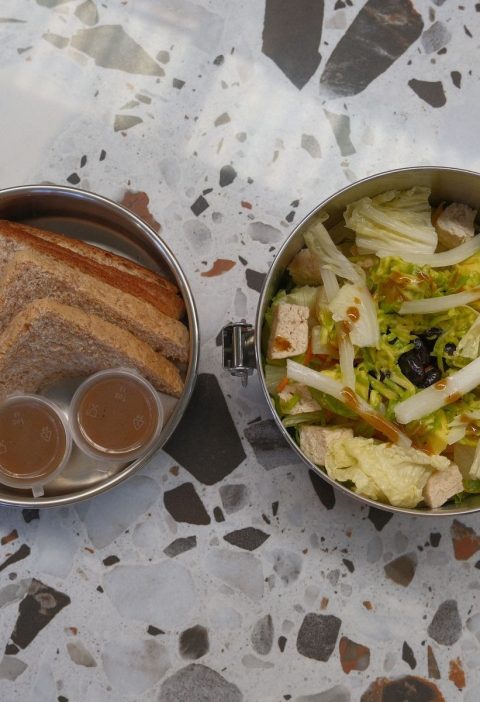
Bread, oats, pasta and other grains add protein as part of a mixed diet. Nuts, seeds and their butters also contribute, although the amount you use matters. Think of them as useful partners to your main protein sources. A spoonful of tahini in a dressing brings flavour and some protein, but it does not automatically turn a bowl of lettuce into a substantial meal.
Understand protein variety without complicated combining
Protein is made from amino acids, including essential amino acids that your body needs to get from food. Plant foods contain these in differing proportions. Eating a varied selection of protein sources across the day helps you obtain the mixture you need. For most healthy adults, there is no need to pair particular foods with mathematical precision at every meal.
You can enjoy lentils at lunch and tofu at dinner, with grains, nuts or seeds appearing elsewhere. Familiar combinations such as beans on toast or chickpeas with couscous fit naturally into this pattern. Variety matters over your usual eating habits; one perfectly arranged plate is not the goal.
Check substitutions when you change a familiar meal
Some plant alternatives replace the taste or texture of an animal food more closely than they replace its protein. Jackfruit can give a shredded texture, and mushrooms can make a savoury filling, but neither should automatically be treated as the main protein source. Add lentils to a mushroom sauce, or serve jackfruit with beans, if you want the meal to include a more substantial source.
The same principle applies to dairy alternatives. Plant drinks and yoghurt alternatives vary considerably in protein content. Soya options often provide more protein than oat, almond or coconut versions, but checking the actual label is more useful than assuming. Compare similar products on the same basis, such as per equal volume, rather than comparing different serving sizes.
Fortification is a separate consideration. A product can contain added calcium or vitamins without providing much protein. If a dairy alternative regularly replaces milk or yoghurt in your diet, look at both its protein and its added nutrients so you understand what the substitution provides.
Spread the opportunities through your day
You do not need to save all your protein choices for dinner. Including a recognisable source at different eating occasions makes it easier to build a consistent pattern, particularly when an evening meal is small or rushed. Use your existing routine as the starting point rather than adding extra meals simply because you think you should.
- With an early meal: include soya yoghurt, tofu, beans or nut butter alongside foods you already enjoy.
- At lunch: make lentils, chickpeas, tofu or beans a substantial part of the filling, soup or bowl.
- At dinner: identify the protein source before choosing the accompanying vegetables and starch.
- For a snack, if wanted: consider edamame, nuts or a suitable yoghurt alternative when these fit your appetite.
These are options, not a checklist to complete every day. If your meals are already substantial and varied, you may not need a protein-focused snack at all.
Eat enough food overall
Protein works within the context of your whole diet. If replacing familiar foods leaves you with meals that are much smaller or less satisfying, simply adding a few seeds may not solve the problem. Include enough food overall, with starchy foods and sources of fat as well as vegetables and protein foods. A meal should sustain you, not just look balanced.
If larger portions of pulses feel uncomfortable, increase them gradually and try amounts you tolerate. You can share the work between different foods, such as a smaller serving of beans with tofu, rather than relying on one large helping. Persistent digestive symptoms deserve individual advice rather than an increasingly restricted diet.
Use a simple check before buying supplements
Protein powders and bars can be convenient, but they are not an automatic requirement for eating more plants. First check whether your usual meals contain substantial protein sources and whether you are eating enough overall. A supplement cannot provide all the variety that comes from a broader pattern of meals.
There is no single portion or target that suits everybody. Needs differ with body size, age, activity and circumstances. If you need a personal protein target, have a specific health condition, or are concerned about meeting your needs, speak to a registered dietitian or your GP. For everyday meals, start with one useful habit: name the protein source, give it a proper place on your plate, and keep several alternatives in regular rotation.