A packed lunch works best when it fits the working day you actually have. A meal that needs a plate, a knife and a leisurely break may be awkward between appointments; a small salad may leave you looking for something more substantial before the afternoon begins. Planning healthy packed lunches for work starts with those practical details. Once you know where, when and how you will eat, you can choose food that is enjoyable, varied and manageable to prepare.
Start with your working day
Before choosing fillings, think about your usual lunch break. Do you have a table, a microwave and somewhere to wash a fork? Is your break predictable, or does the timing change? These answers help you choose something you will actually want to unpack.
If microwave queues often swallow your break, choose meals you enjoy cold. If you work outdoors, an easy-to-handle format may be more useful than a bowl with several separate toppings. If you move between sites, check what storage will be available before deciding what to bring.
- At a desk: choose a meal that is straightforward to serve, and make space for a proper break whenever possible.
- With a shared kitchen: favour food that does not require several appliances or lengthy assembly.
- Between appointments: pack something you can comfortably eat during an available break.
- On changing schedules: keep a flexible lunch option in mind so a diary change does not undo your plan.
Give lunch enough substance
A useful starting point is to combine a starchy food, a protein food and vegetables or fruit. Add flavour and a little fat through ingredients such as olive oil, seeds, avocado or a dressing you enjoy. This is a planning prompt rather than a rule that every container must follow exactly.
Bread, potatoes, pasta and grains can provide the foundation. Wholemeal bread and wholegrain options add fibre, but choose something you like eating. Beans, lentils, eggs, tofu, fish, poultry, cheese and yoghurt offer different ways to include protein. Vegetables bring colour, texture and variety.
Think about the whole meal rather than judging an individual ingredient. A sandwich can make a useful lunch with a satisfying filling and something fresh alongside it. A generous-looking box of leaves may need bread, beans or another substantial addition to feel like lunch.
Choose a format before the ingredients
Deciding whether you want a sandwich, a bowl or a spoonable meal narrows the choices quickly. You can then change ingredients without redesigning lunch every evening. Keep two familiar formats in regular use and introduce another when you feel ready for a change.
A sandwich with useful extras
Try wholemeal bread with mashed chickpeas, grated carrot and a little plain yoghurt mixed with mustard. Pack cherry tomatoes and a piece of fruit alongside it. Alternatively, use sliced cooked egg with cress and mayonnaise. Choose a filling you enjoy, then add enough food around it to make a meal.
A fork-friendly lunch box
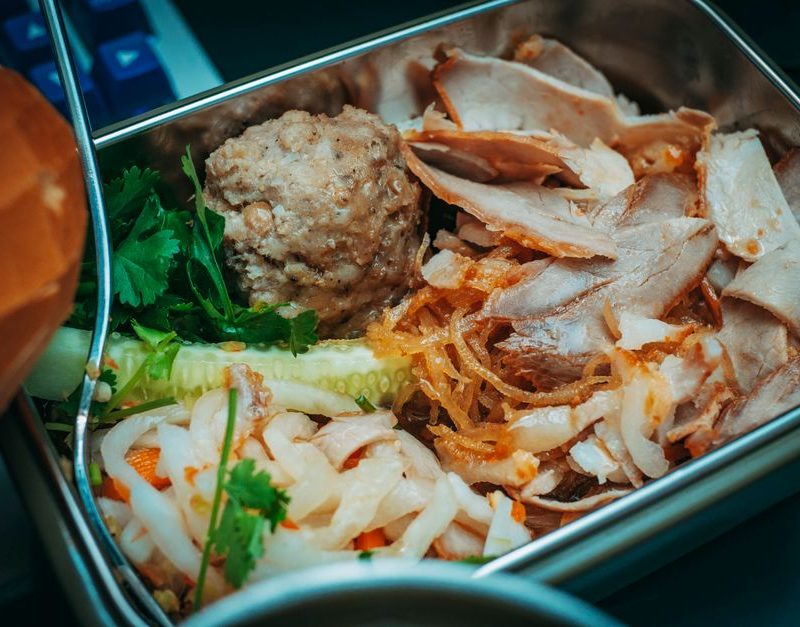
Combine cooked pasta with white beans, chopped peppers and parsley, then add olive oil and lemon to taste. Alternatively, pair cooked potatoes with green beans and flaked cooked fish. Ingredients that are easy to pick up together help each mouthful offer more than one texture.
A meal to eat with a spoon
A thick vegetable and lentil soup or a bean stew can suit days when you want something warming and have suitable reheating facilities. Include bread if you want it. Check that your container is designed for its intended use, and transport liquid meals upright in a securely closed vessel.
Make a short lunch plan
You do not need a different dish for every working day. Planning the next two or three lunches may be easier than committing to a full week, especially if meetings and office days change. Look at your diary, then write down a realistic format for each day you need food.
- Count the lunches you need. Include the days you expect to bring food, allowing room for social plans or a bought lunch.
- Choose two combinations. An egg sandwich and a lentil pasta box offer different textures without demanding a long shopping list.
- Choose produce that works across both. Carrots, peppers and tomatoes can accompany sandwiches or go into a bowl.
- Check the small extras. Include the dressing, bread or utensils that turn your main component into a complete lunch.
- Keep the plan visible. A brief note makes the evening decision easier.
Protect flavour and texture
A lunch you look forward to is easier to keep packing. Consider what happens between preparation and eating: juicy tomatoes can soften bread, leaves can wilt under dressing, and crunchy toppings lose their bite when mixed into wet ingredients.
Pack dressing separately where useful, dry washed leaves thoroughly and add crisp toppings at lunchtime. A small pot of lemony yoghurt, chopped herbs or seeds can change a familiar meal without requiring another main dish. Check workplace policies before bringing nuts or other ingredients subject to restrictions.
Avoid adding extras simply because they sound healthy. If you dislike raw kale or cold quinoa, choose another vegetable or base. Enjoyment helps make the routine practical, especially on days when work is demanding.
Match the amount to your appetite
Appetite varies with activity, breakfast, break times and personal preference. Start with an amount that usually satisfies you, then notice whether you finish comfortably or regularly want more. Adjust the next lunch accordingly, perhaps with extra bread, another spoonful of beans or a yoghurt alongside.
If lunch is early and dinner is late, a separate snack may be useful. Pack it separately so you can decide when you want it. There is no need to fit every part of the working day into one container or make each lunch identical.
Make packing easy to repeat
Keep your clean container, lid and cutlery together. In the evening, check your plan and assemble what is practical ahead of time. Arrange suitable chilled storage and transport for perishable foods, following food labels. Check workplace facilities in advance, including whether there is space in the fridge when you arrive.
After a few lunches, review what worked. Perhaps wraps were awkward to eat, you wanted a larger portion, or you never used the separate dressing. Change that detail first. A dependable work lunch routine grows from small adjustments: food you enjoy, enough to satisfy you, and a format that fits your break.