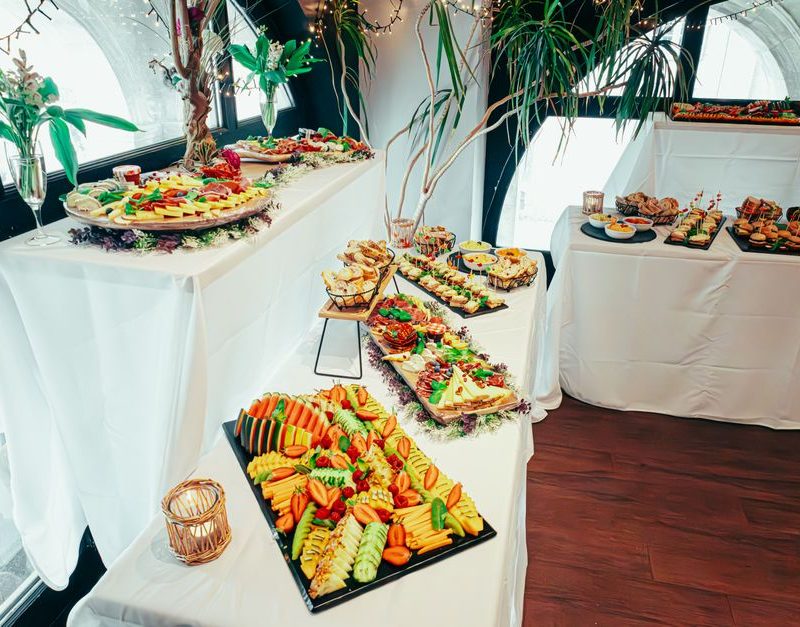
Party food is part of the occasion: a slice of birthday cake, warm pastries passed round a room, or a buffet that brings everyone together. Enjoying it in a balanced way does not require a special set of food rules. It helps to understand the kind of event you are attending, choose food you actually want and leave room for the conversation, music and company that make the gathering worthwhile.
The practical challenge is often the setting. You might be standing with a drink, arriving straight from work or wondering whether those canapés are the entire supper. A few simple decisions can make eating at a party feel easier, without turning the evening into a nutrition project.
Find out what sort of food to expect
A drinks reception, an afternoon birthday tea and a sit-down dinner all work differently. If the invitation is unclear, it is perfectly reasonable to ask whether a meal is being served. That information helps you decide whether to have dinner beforehand, eat a snack before leaving or arrive ready for the main meal.
Keep your usual meals earlier in the day. Deliberately missing lunch to make room for an evening buffet can leave you arriving distracted by hunger, especially if food is served later than expected. There is no need to calculate what the party might contain or adjust every earlier meal around it.
If you are leaving home hungry and supper is some way off, have something straightforward: toast with an egg, yoghurt with fruit, or a small sandwich. Choose enough to bridge the gap, rather than trying to predict exactly how much you will eat later.
Take a look before filling your plate
At a buffet, a brief look along the table helps you see the whole choice. Otherwise, it is easy to fill your plate with the first things available and discover your favourite dish at the far end. Look for what appeals, what would make a satisfying meal and anything you particularly want to try.
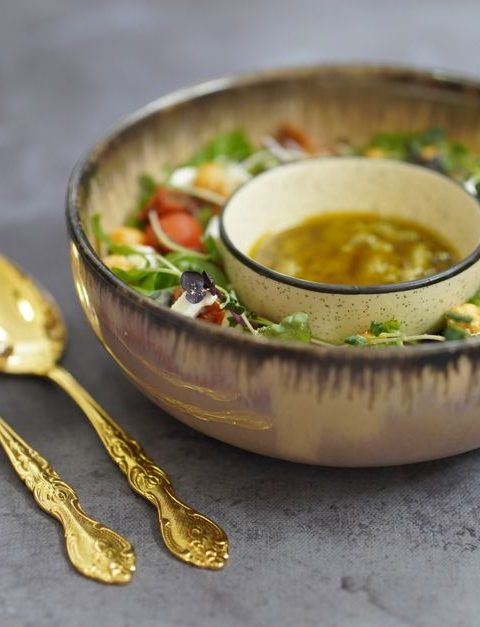
If the buffet is your dinner, you can loosely bring together a few familiar meal components:
- Something substantial, such as bread, potatoes, rice, pasta or another grain.
- A source of protein, such as beans, lentils, eggs, fish, chicken, tofu or cheese.
- Vegetables or fruit, where they are available and appealing.
- The party dishes you are looking forward to, whether that is a sausage roll, a special dip or dessert.
This is a helpful way to assemble a meal, not a requirement for every plate. Mixed dishes already combine ingredients: a bean salad, filled sandwich or vegetable frittata can cover several bases. If the spread offers little variety, make a workable choice from what is there and carry on enjoying the event.
Make standing food easier to manage
Eating while holding a glass, a napkin and a conversation can be surprisingly awkward. Where possible, put your drink down and use a plate. Find a table or somewhere comfortable to pause, especially if the food is replacing a meal. These small changes give you a chance to enjoy flavours and textures instead of juggling everything.
Serve yourself an amount that looks manageable, knowing you can return if you would like more. A crowded plate is difficult to carry and can make different sauces and dishes merge together. Keeping foods separate enough to taste them can make the meal more enjoyable.
You do not need to wait a prescribed amount of time before having seconds. Once you have eaten, simply decide whether you want more food, a different dish or a break to chat. If the buffet will close soon, ask the host rather than feeling you must rush through your meal.
Handle roaming canapés and shared snacks
Passed trays create a different rhythm from a buffet. You may see the same bite several times while another dish never reaches your corner of the room. Accept the things you want when they arrive, and feel free to decline others. You do not owe each tray a taste.
If bowls of crisps or nuts are within reach, putting some on a plate can be convenient. It lets you move away from the snack table and join the room, rather than spending the whole evening beside the food because that happens to be where you first stood.
When canapés turn out to be the only food, they may not add up to the meal you expected. You can eat something more substantial afterwards. An ordinary supper at home is a practical response to an evening of small bites, not a sign that you approached the party incorrectly.
Let a sit-down meal unfold
With a set menu, you have less control over ingredients and timing. Read the menu if one is available, tell the organiser about dietary requirements in advance and choose the option that suits you best. There is no need to identify a supposedly perfect choice from a short list.
You can leave food when you have had enough, and you can enjoy a full portion when it suits your appetite. If several courses are coming, it is fine to leave some bread or a side dish because you would prefer to enjoy the next course. Equally, you do not have to order dessert simply because everyone else does.
If you want pudding but a large serving does not appeal, ask whether sharing is possible. Choose that because it fits what you want, rather than treating sharing as an obligation.
Give drinks a little thought
Decide what you would like to drink, including whether you want alcohol at all. Water, sparkling water and other alcohol-free options belong at celebrations too. Keeping water available is useful when a room is warm, you are dancing or the conversation stretches over several hours.
If you choose alcohol, drinking slowly and having alcohol-free drinks between alcoholic ones can help you pace the evening. Arrange your journey home beforehand and choose alcohol-free drinks if you are driving. You can decline a refill without offering a detailed explanation.
Use simple words when people offer more
Hosts often express welcome through food. A warm response can acknowledge that effort without committing you to another helping. Try, “That was lovely, thank you; I have had enough for now,” or, “I would love to try that later.” If you want more, asking for another portion is equally reasonable.
Food allergies and other dietary requirements need clearer conversations. Ask about ingredients rather than relying on appearance, and avoid guessing when the host cannot confirm what a dish contains. For a specific health condition that affects your food choices, a GP or registered dietitian can help you plan for social occasions.
Return to your everyday routine afterwards
After the party, your next meal can be an ordinary one. There is no need for a compensatory fast, a special cleanse or an elaborate reset. Have breakfast, lunch or dinner when it fits your routine and appetite, and choose from the foods you normally enjoy.
If something made the evening difficult, keep the useful lesson specific. Perhaps next time you will check the meal time, take a snack for the journey or ask about dietary options earlier. Then let the occasion be remembered for more than what was on your plate.