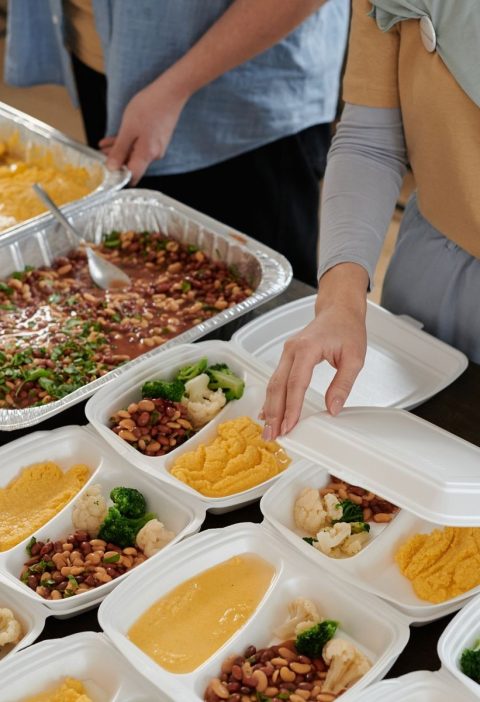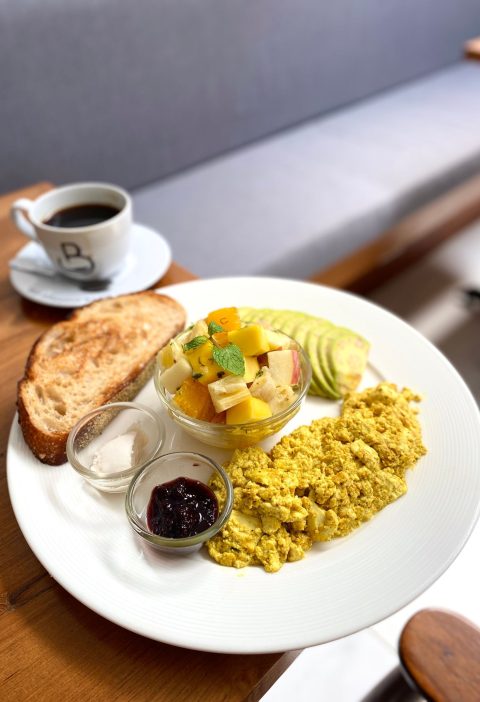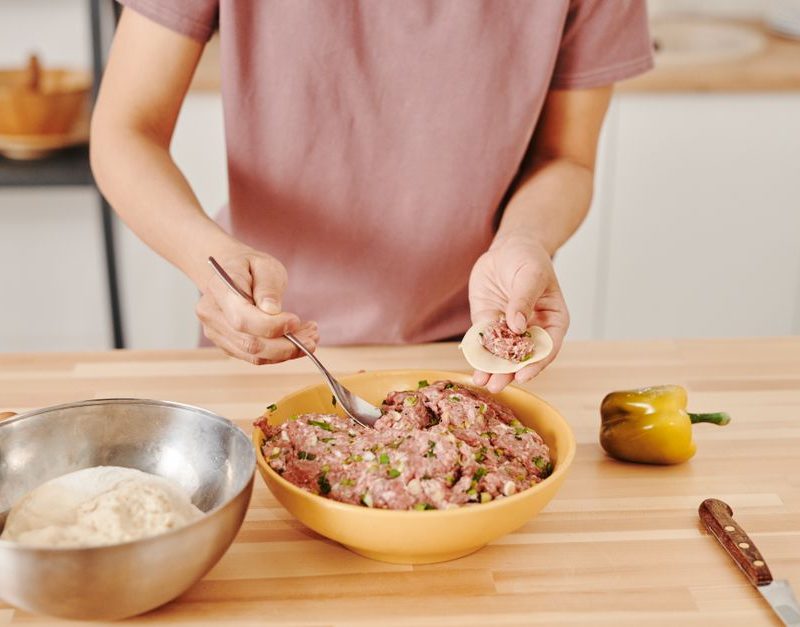
A freezer meal earns its place in winter when it gives you a warm, satisfying dinner with very little effort on a cold evening. The most useful choices stay appealing after thawing: soft vegetables in a rich sauce, tender fillings beneath a comforting topping, and substantial soups that feel like supper. You do not need a freezer full of identical tubs. A small selection of complete meals, chosen for different appetites and evenings, can be far more inviting.
Choose meals for the evening you will actually have
Think about the gap between arriving home and wanting to eat. Some nights allow time for a pie to heat in the oven; others call for something that can be warmed in a saucepan. Include both kinds if they fit your routine. A delicious frozen dinner is less helpful when its cooking time clashes with the evening ahead.
Make your selection around three experiences: a spoonable meal, an oven dish and something with a thick sauce. This gives you variety in texture as well as flavour. The priority is how each finished winter dinner tastes and works after freezing, so start with familiar favourites rather than filling every available space.
What makes a freezer meal balanced?
Look for vegetables, a protein food and something starchy across the meal. Beans, lentils, tofu, fish, eggs and meat can all contribute variety, while potatoes, bread and wholegrain cereals offer different accompaniments. These foods do not have to appear in equal amounts or all be cooked in the same dish.
A vegetable casserole with beans and potatoes may need nothing more than a spoon. A lighter soup might be more satisfying with wholemeal toast and cheese or hummus. Think about what makes dinner feel complete to you, rather than judging the frozen dish in isolation. If you need advice for a specific health condition, ask your GP or a registered dietitian.
Winter meal styles that freeze well
Thick soups with something to chew
Choose soups containing vegetables alongside beans, lentils or shredded cooked meat, rather than relying only on a thin broth. Root vegetables provide a soft, comforting texture, while a few pieces left unblended make a bowl more substantial. Freeze bread alongside the soup if that helps turn it into a ready supper.
Soups often thicken during storage, especially when they contain pulses. Add a little water as you warm them, then assess the consistency before adding more. Keep crunchy toppings separate until serving so they retain their texture.
Saucy braises and casseroles
Moist dishes protect their ingredients better than a tray of lean meat and bare roasted vegetables. Choose a casserole with enough sauce to surround the contents without becoming watery. Mushrooms, carrots, onions and sturdy root vegetables suit this style, as do beans and tender pieces of fully cooked meat.
If you enjoy creamy sauces, consider freezing the cooked base and adding yoghurt or cream after reheating, off the heat where appropriate. Some dairy sauces separate after thawing. They may still be usable, but the texture can be less appealing than a freshly finished sauce.
Soft-centred oven dishes
A savoury filling beneath a vegetable mash is a useful alternative to another bowl of soup. Make sure the filling is thick enough to support the topping. Excess liquid can seep into the mash during thawing and leave the finished dish loose.
Use an ovenproof container suitable for freezing, following its instructions about temperature changes. Fully defrost the dish before reheating unless you have reliable instructions specifically for cooking it from frozen. A browned surface alone does not tell you whether the centre is hot.
Choose ingredients for their thawed texture
Freezing changes texture, so favour ingredients that are meant to be tender. Cabbage cooked into a braise can work beautifully; raw salad leaves inside the same container will become limp. Courgettes can release water, while pasta left in soup can become very soft. Put these ingredients where that change will suit the dish, or add them fresh later.
- Good candidates: thick vegetable sauces, cooked pulses, tender braised fillings and smooth vegetable purees.
- Better added at serving: toasted seeds, chopped herbs, salad leaves and crisp breadcrumbs.
- Worth testing first: creamy sauces, cooked pasta and dishes where a crisp crust is the main attraction.
Before filling several containers with a new favourite, freeze a single serving and try it another day. This small trial tells you more about your preferences than a long list of foods that supposedly freeze perfectly.
Give each frozen dinner its own finish
Winter meals can start to taste similar if everything has a soft texture and the same tomato base. Vary the character of the meals you choose: one might be herby and savoury, another gently spiced, and another earthy with mushrooms. Aim for flavours you already enjoy.
A finishing ingredient can brighten a reheated dinner without creating another cooking job. Try lemon juice in a bean casserole, chopped parsley over a vegetable pie, or a spoonful of plain yoghurt on a gently spiced soup. Add these after heating. Keep strong additions optional so everyone can adjust their own serving.
Keep cooling and thawing straightforward
Cool cooked meals promptly, dividing large amounts into shallow containers to help heat escape. Get them into the fridge or freezer within one to two hours. Do not leave a deep saucepan out all evening waiting for the middle to cool. Once chilled, seal meals well before freezing.
Label each dish with its name, freezing date and any finishing instructions. For example, a note saying that the sauce needs a splash of water or that the topping is stored separately saves guesswork later. Follow your freezer manufacturer’s storage guidance and any relevant ingredient instructions.
Thaw meals in the fridge in a container that catches leaks, allowing enough time for dense dishes to defrost fully. Use them within 24 hours of complete defrosting. If using a microwave to defrost, follow the appliance instructions and reheat immediately afterwards. Reheat leftovers only once, until steaming hot throughout.
Build a modest winter dinner reserve
- Pick three contrasting meals. Choose one soup, one saucy dish and one oven meal that your household already likes.
- Check the whole dinner. Decide whether each needs bread, extra vegetables or another accompaniment, and keep that addition easy.
- Freeze a trial serving. Assess the texture before committing more freezer space to the same dish.
- Plan the first serving. Give one meal a place in the coming week’s dinners so the reserve starts being used.
Keep a short list of the dinners available and cross them off as you eat them. Replace favourites gradually, adjusting dishes that felt too watery, too similar or awkward to serve. The aim is a dependable choice on a dark evening: a dinner you look forward to, with just enough finishing work to make it feel freshly served.