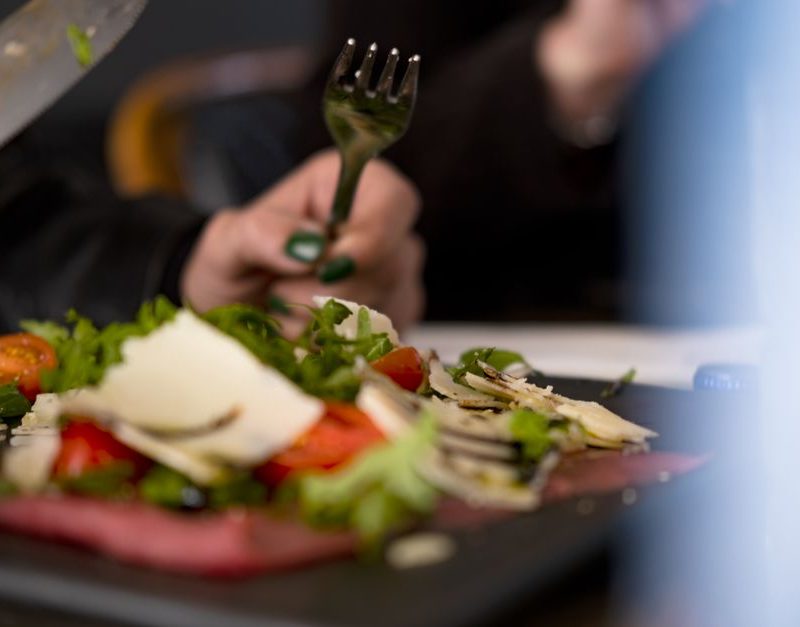
Eating out can be part of a varied, enjoyable way of eating, whether you are meeting friends for lunch, ordering dinner after work or celebrating somewhere special. You do not need to find a perfect dish or turn the menu into a test. A few practical decisions about what you order, what accompanies it and how much suits you can help you leave feeling comfortably satisfied.
The most useful approach is to work with the menu in front of you. Look for a meal you will enjoy, notice what it includes and make one or two adjustments where they would improve it. There is room for favourite foods as well as vegetables, beans, fish and whole grains.
Give yourself an easier starting point
If the restaurant has an online menu, a quick look beforehand can make ordering less rushed. Identify a couple of appealing options rather than deciding every detail in advance. Menus change, and you may fancy something different when you arrive. The aim is simply to avoid making every decision while everyone else is ready to order.
Eat your usual meals before going out. Deliberately skipping lunch to make room for dinner can leave you very hungry and make the wait for food uncomfortable. If dinner is much later than usual, an ordinary snack beforehand, such as fruit with yoghurt or toast, can bridge the gap.
Read the whole description of a dish
A dish name rarely tells you everything. A chicken salad might come with bacon, cheese, croutons and a creamy dressing, while a bean stew may already contain plenty of vegetables and need only some bread alongside. Neither needs an automatic verdict: read what is included and decide what would make a satisfying meal for you.
Cooking descriptions offer useful clues. Grilled, steamed, poached and roasted dishes can be straightforward options, although roasting may still involve generous amounts of oil. Fried or battered food can fit too; you might choose vegetables alongside it if you would otherwise have several fried components on the same plate.
Build around a main dish you actually want
Start with the food you are looking forward to, then consider whether the meal has something substantial, some vegetables and a source of carbohydrate. This is a flexible check, not a requirement to arrange every restaurant meal into a particular shape. Mixed dishes can provide several elements together.
- With grilled fish, consider potatoes or rice and a vegetable side.
- With pasta, look for vegetables in the sauce or add a side of greens.
- With a bean curry, rice and a vegetable dish can make a varied combination.
- With a burger, choose the side you prefer and consider adding salad or vegetables if the meal has little produce.
Protein can come from beans, lentils, tofu, eggs, dairy, fish or meat. If a vegetable dish sounds appealing but fairly light, ask whether beans, tofu or an egg can be added. A meal that satisfies you is more useful than choosing the smallest option simply because it sounds healthy.
Make vegetables a specific part of the order
A garnish is unlikely to provide much variety on its own. Check whether vegetables come with your main or need ordering separately. Sharing a side of broccoli, cabbage, green beans or seasonal vegetables is an easy way to add them without changing the dish you wanted.
Salad is another option, but it does not have to be your default. Warm vegetables, lentil sides and tomato-based dishes can be equally practical choices. Choose a preparation you enjoy. If every vegetable side comes with a rich sauce, ask whether a simpler version is available rather than assuming the kitchen can make any alteration.
Use sauces and extras deliberately
Dressings, dips, gravy and creamy sauces contribute flavour, and you do not need to remove them all. Asking for a sauce on the side lets you add it gradually, particularly when you are unsure how much the kitchen normally uses. Some dishes depend on their sauce, so this request will not always make sense.
Taste your food before adding salt. Ingredients such as olives, cheese, cured meats and soy sauce already bring saltiness. If you are choosing several dishes to share, including some with fresher, less salty flavours can make the meal more varied. Lemon, herbs and chilli may add interest where they are available.
Order in stages when portions are uncertain
Restaurant portions vary, and descriptions such as small plate or sharing dish are not standard measures. Ask the server what people usually order, especially somewhere unfamiliar. Their answer can help you judge whether a main needs sides or whether several small dishes will be enough for the table.
If you can order more later, begin with the dishes you most want and see how the meal develops. At a buffet, look over the choices before serving yourself so you can put together a plate you enjoy. You can return if you are still hungry; there is no need to sample everything immediately.
Choose drinks with the meal in mind
Water is a simple accompaniment, and keeping some on the table makes it easy to drink throughout the meal. Sparkling water, unsweetened tea and other unsweetened options may also appeal. If you want a sweet drink, choose one you enjoy rather than ordering it automatically with every course.
Alcohol is optional. You can choose an alcohol-free drink, alternate an alcoholic drink with water or simply order less. Check descriptions of mocktails if you want something less sweet: some contain several juices or syrups. A plain sparkling drink with citrus may suit you better.
Make a small, clear request
One straightforward question is usually easier for staff to answer than a long list of changes. Ask whether chips can be swapped for vegetables, whether wholemeal bread is available or whether a dressing can come separately. Accept that some dishes are prepared ahead and cannot easily be changed.
If you have a food allergy, tell staff clearly before ordering and ask about ingredients and cross-contact. Do not rely on a short menu description. For dietary needs related to a specific health condition, a GP or registered dietitian can help you decide which restaurant questions matter for you.
Leave room for enjoyment
You can order dessert because it sounds delicious, share one if that suits everyone or finish after your main. None of these choices needs compensating for at the next meal. Likewise, leaving food is reasonable when you have had enough; finishing it is also fine when the portion suits your appetite.
For your next meal out, choose just one useful habit: check the sides, order some vegetables or ask about portion sizes. Eating out becomes easier when your decisions support both satisfaction and enjoyment. The meal can be a pleasant part of your usual eating pattern, with your next meal continuing as normal.