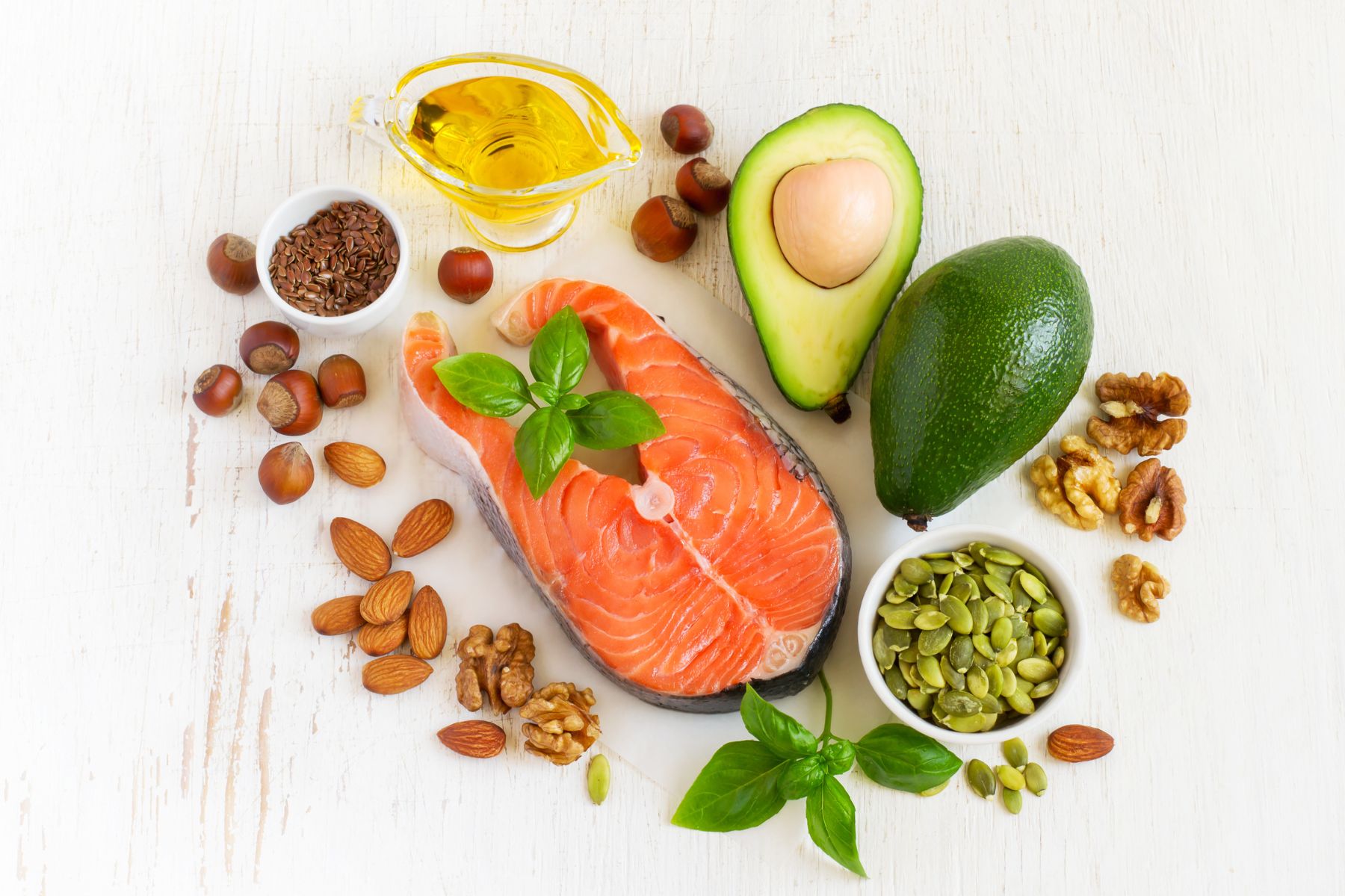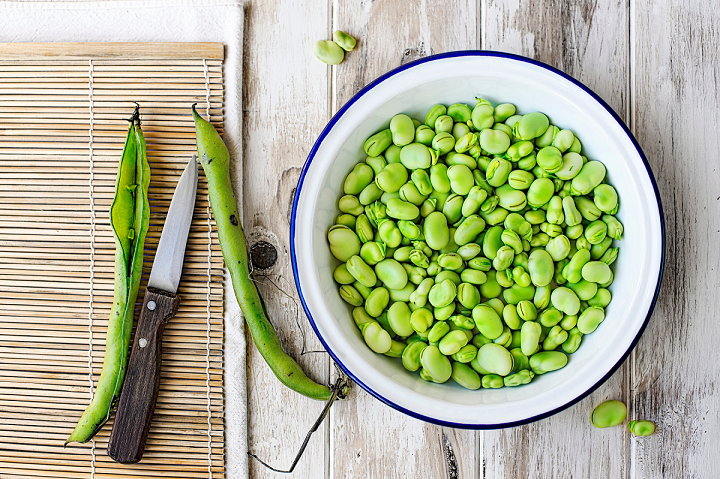
Finding calcium beyond milk, cheese and yoghurt starts with knowing which foods make a useful contribution and how to fit them into meals you already enjoy. Plant drinks, tofu, greens and tinned fish all offer possibilities, but the details matter. A familiar carton may not be fortified, and different types of tofu can contain different amounts of calcium. Choose a few dependable sources and give them a regular place in your routine.
Think about meals before your shopping list
You do not have to avoid dairy to enjoy more non-dairy sources of calcium. These foods can add variety whether you eat everything, follow a vegan diet or simply prefer different breakfasts and dinners. Start with foods you like rather than buying unfamiliar ingredients that will sit untouched in the cupboard.
The NHS lists fortified soya drinks, calcium-set tofu, certain green vegetables and fish eaten with their bones among non-dairy calcium sources. Those options lend themselves to quite different meals. Breakfast might be the easiest place for a fortified drink, while tofu or fish could become part of lunch or dinner.
Check that plant alternatives contain added calcium
Plant drinks can look similar on the shelf while differing in what they contain. Look specifically for added calcium rather than assuming that every oat, almond, coconut or soya drink provides it. The British Dietetic Association highlights fortified plant drinks and yoghurt alternatives as useful sources. The words plant-based alone do not establish whether a product is fortified.
Read the ingredients and nutrition information on your usual carton, including when changing varieties. An organic label, a creamy texture or a description suggesting suitability for coffee does not replace that check. Unsweetened versions are a useful everyday starting point, and you can choose the flavour and texture that suit your cooking.
Give your chosen alternative a regular job
- Cook porridge with a fortified drink and finish with chopped pear and cinnamon.
- Spoon a fortified plain yoghurt alternative over fruit and oats.
- Use an unsweetened fortified drink in a savoury white sauce, checking that its flavour suits the dish.
- Turn a fortified yoghurt alternative into a lemony dressing for roasted vegetables.
Follow the pack instructions for shaking, refrigeration and use after opening. If you use only a splash in tea, consider another meal where you would enjoy a more substantial serving. A breakfast bowl may fit your habits more easily than remembering an extra drink later.
Find the calcium detail on tofu labels
Tofu can be the centre of a meal rather than an extra topping. However, its calcium content depends on how it is made. Look for calcium-set tofu and check the ingredients for calcium sulphate or calcium chloride. Tofu set only with nigari should not automatically be treated as an equivalent calcium source.
Choose the texture for the dish you want to cook. Firm tofu works well in cubes or crumbled into a pan. Softer tofu can suit smooth sauces or gently simmered dishes. Follow the preparation instructions, as different products need different handling.
For a straightforward dinner, pat firm tofu dry, cube it and cook in a little oil until golden. Add sliced mushrooms, shredded cabbage and ginger, then a splash of reduced-salt soy sauce and water. Serve with rice. Alternatively, crumble tofu with spring onions and paprika for a savoury toast topping. Changing the format helps keep this ingredient interesting.
If you eat fish, look for edible bones
Tinned sardines and salmon containing edible bones offer another calcium source. The distinction is the bones: a boneless fillet or a tin labelled boneless does not provide the same contribution from this source. Check what you are buying and choose a texture you enjoy.
If visible bones put you off, mash the soft bones thoroughly into the fish with a fork. Try sardines on toast with chopped tomatoes and parsley, or fold mashed tinned salmon into a jacket potato filling with lemon and spring onions. These simple combinations make a tin useful without requiring a complicated recipe.
There is no need to force fish into your routine if you dislike it or do not eat it. Fortified alternatives and calcium-set tofu offer other possibilities. The useful habit is recognising which ingredient supplies calcium in the meal you have chosen.
Give greens a supporting role
Kale, broccoli, pak choi and spring greens can contribute calcium while bringing colour and texture to dinner. Choose vegetables you enjoy and serve a proper helping, rather than relying on a few leaves as a garnish.
Spinach deserves a separate mention. Although it contains calcium, oxalate makes that calcium harder to absorb, so the NHS does not recommend it as a good calcium source. You can still enjoy spinach; simply include other foods when planning specifically for calcium.
- Stir shredded kale into a bean casserole near the end of cooking.
- Steam broccoli and dress it with lemon juice and olive oil.
- Cook pak choi alongside tofu with garlic and ginger.
- Fold softened spring greens into mashed potatoes with mustard.
Use nuts, seeds and beans as additions
Tahini, almonds, sesame seeds, beans and dried figs can also contribute calcium. Their role is often alongside a more dependable main source, particularly when you eat them in small amounts. A scattering of seeds is a finishing touch, so avoid expecting it to do the work of a whole meal component.
Mix tahini with lemon juice and water for a pourable sauce, tuck chopped dried figs into porridge, or add flaked almonds to cooked greens. Choose additions for taste as well as variety. If something does not appeal, use another option rather than treating a particular ingredient as essential.
Build a routine you can repeat
Review an ordinary day. Could breakfast include a fortified drink or yoghurt alternative? Would calcium-set tofu fit a familiar dinner? If you eat fish, could a tin with edible bones become a convenient lunch? Answering those questions turns a list of foods into practical choices.
Keep a short shopping reminder for the label details that matter. Recheck them when switching products, because similar packaging does not guarantee identical ingredients. Introduce changes gradually and keep the foods you enjoy in regular rotation.
If you are excluding several food groups, planning food for a child or managing a specific health condition, ask a GP or registered dietitian for individual advice. They can help assess your overall needs and whether supplements are appropriate. For everyday meals, begin with a reliable calcium source you enjoy and give it a clear place in your routine.