Eating oily fish more often starts with finding a meal you genuinely look forward to. You do not need an elaborate seafood supper or a collection of unfamiliar ingredients. A tin beside the beans, a frozen fillet for an evening meal, or a new filling for your usual jacket potato can help. Build on what you already enjoy, then experiment with different fish and flavours as your confidence grows.
Know which fish count
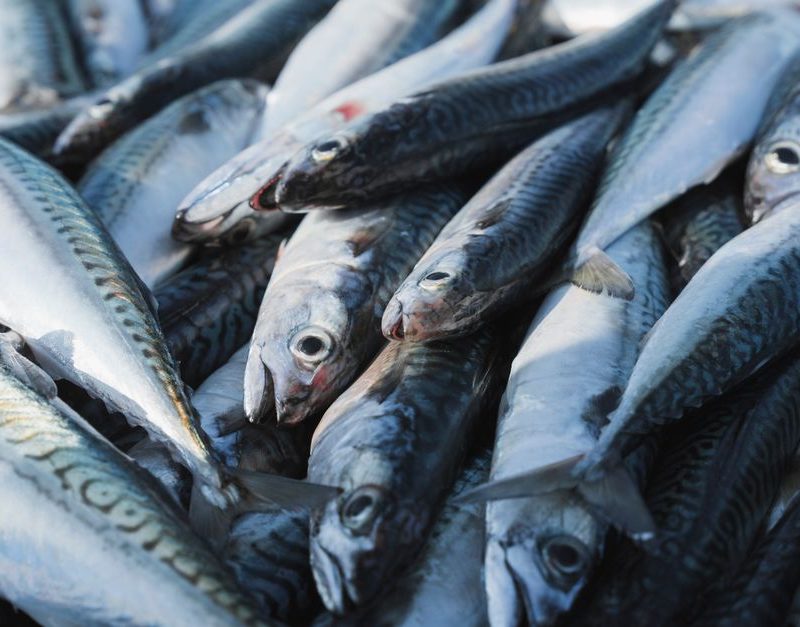
Salmon, sardines, mackerel, trout and herring are oily fish. Pilchards count too. These offer several starting points, from mild fillets to more strongly flavoured tinned options. Tuna does not count as oily fish, whether fresh or tinned, so your regular tuna sandwich does not fill this particular place in your diet. White fish such as cod and haddock belong to a different group.
Fresh, frozen and tinned oily fish can all be useful. Choose according to the meals you actually make, the storage space you have and the texture you prefer. There is no need to buy fresh fish every week if a tin or frozen portion works better for you.
Choose a manageable weekly habit
NHS guidance recommends at least two portions of fish a week, including one of oily fish. An adult portion is around 140g cooked. Use this as a planning guide: choose one familiar meal where oily fish would fit and put the ingredients on your shopping list. Giving it a regular place can be easier than deciding what to do with an unfamiliar ingredient after you buy it.
There are also recommended limits because oily fish can contain pollutants. Girls and women who may become pregnant, including those who are pregnant or breastfeeding, should have no more than two portions weekly. Other adults should have no more than four. Children need portions suited to their age. For advice about pregnancy, a specific health condition or an individual dietary restriction, speak to your midwife, GP or a registered dietitian.
Pick the most convenient format
Tinned fish for quick meals
Tinned salmon, sardines and mackerel are useful when you want something with little preparation. Check whether the fish comes in water, oil or sauce. Drain it if that suits your meal, or use a little of the sauce to bring the ingredients together. Compare salt information between similar products, particularly if you regularly choose fish in brine or flavoured sauces.
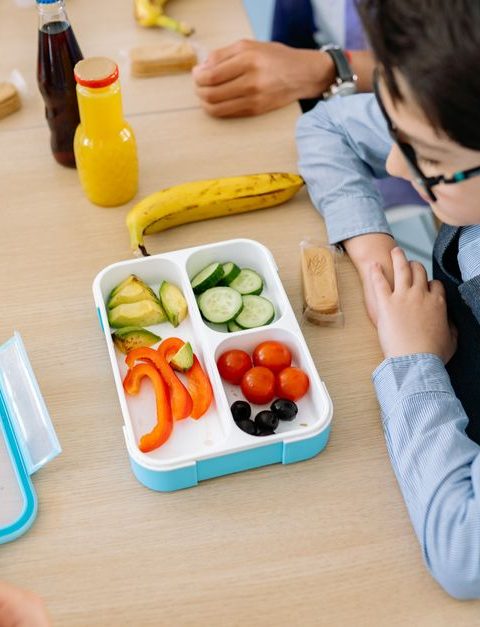
Some tinned fish contains soft, edible bones. Mash these into the flesh if you like the texture, or choose boneless fish. Check carefully for any hard bones before serving, especially to children. Look at the drained weight when planning portions; a tin may contain less fish than its total weight suggests.
Frozen fillets for easy planning
Frozen salmon or trout lets you take out the amount you need without committing to a whole pack of fresh fish. Follow the packet instructions: some fillets can be cooked from frozen, while others need defrosting first. Thaw in the fridge when required. Pair the fish with vegetables and a familiar starchy food so that the whole meal feels straightforward.
Fresh fish for a particular texture
Fresh fillets work well if you enjoy crisp skin or larger flakes. Ask for pin bones to be removed, then check again at home. Refrigerate fresh fish and follow its use-by date. Start cooking potatoes or other slower ingredients first, leaving the fish until towards the end so it does not sit waiting for the rest of dinner.
Use meals you already know
You do not have to learn a separate recipe every time you try a different fish. Keep most of a familiar meal the same and change the main ingredient. These combinations give oily fish a practical place without copying the same salmon dinner each week:
- Jacket potato: add flaked tinned salmon, plain yoghurt, cucumber and chopped chives, with vegetables alongside.
- Warm couscous bowl: fold in cooked trout, roasted courgettes and parsley, finishing with lemon.
- Sandwich filling: mash sardines with lemon juice and black pepper, then add sliced tomato and crunchy lettuce.
- Quick potato pan: warm cooked potato pieces and peas, then fold through drained tinned mackerel and heat thoroughly.
- Simple dinner plate: serve a cooked fillet with boiled potatoes, green beans and plain yoghurt mixed with dill.
Swap vegetables according to what you have. Choose enough bread, potatoes or grains to make a satisfying meal. Remember that a small scattering of fish shared across several plates adds flavour but may not provide a full portion for each person.
Find flavours and textures you enjoy
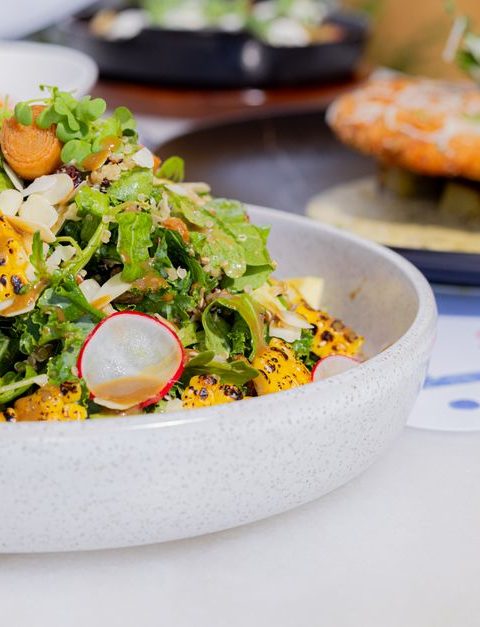
If oily fish tastes too strong, begin with salmon or trout. Lemon, lime, tomatoes, yoghurt and a little vinegar can balance richness. Crunchy cucumber, radishes or lettuce give a different texture alongside soft flakes. Try one change at a time so you can tell which combination makes the meal more appealing.
Temperature matters too. You may prefer cooked fish warm rather than cold, or enjoy ready-to-eat tinned fish because it avoids cooking aromas. Flake it into a familiar meal while leaving some distinct pieces. This helps you work out whether flavour, texture or smell is the main thing you want to adjust.
Smoked fish has a distinctive flavour and can be salty. Compare labels and taste before adding extra salt. People who are pregnant or have weakened immune systems should cook ready-to-eat cold-smoked or cured fish until steaming hot throughout because of the risk of listeria.
Handle fish with care
Follow reliable cooking instructions for the size and type of fillet. Check the thickest part before serving: the flesh should be opaque and separate easily into flakes. Avoid repeatedly cooking it for longer than needed, which can make it dry. Keep raw fish and its utensils away from foods you will eat without further cooking, and wash your hands after handling it.
Transfer unused fish from an open tin to a covered container in the fridge and follow the label’s storage instructions. Cool cooked leftovers promptly and refrigerate within two hours. Eat them within two days or freeze them. Reheat only once, until steaming hot throughout. Preparing a smaller amount is sensible if reheated fish rarely appeals to you.
Make your next shop specific
Choose one fish, one meal and one flavour combination. That might mean tinned salmon for a jacket potato or frozen trout with your usual vegetables. After eating, notice what worked: convenience, seasoning or texture. Keep a successful combination in your regular rotation and try another variety when you feel ready. A dependable meal you enjoy makes the habit easier to maintain.