On a warm evening, a steaming casserole or a long session beside the hob may have little appeal. Yet a handful of leaves can leave you searching the kitchen again later. Light meals for warmer evenings work best when they feel fresh and comfortable to eat while still offering enough substance. Think short cooking times, contrasting textures and a mixture of cool and warm ingredients, with room to adjust the meal to your appetite.
You do not need a separate summer diet or a fridge full of special ingredients. A few changes to temperature, preparation and presentation can make familiar foods more inviting. The aim is an enjoyable dinner that suits the weather and leaves you comfortably satisfied.
Decide what light means to you tonight
Light might mean less rich, less hot, quicker to prepare or simply a smaller first helping. Those are different needs. Before choosing dinner, consider whether you want something cool and crisp, something gently warm, or a meal that requires barely any cooking. This makes it easier to choose food you actually fancy.
Try to avoid treating light as a rule to remove bread, potatoes or other filling foods. A meal made mostly from watery vegetables may be refreshing, but it might not meet your hunger. You can keep the overall feel fresh while including ingredients that give dinner staying power.
Keep substance alongside the freshness
A useful starting point is to bring together vegetables, a source of protein and a starchy food, then add something that makes the combination enjoyable. This is a flexible prompt rather than a plate you must measure. Your appetite, activity and preferences can guide how much of each you serve.
- Freshness: sliced cucumber, grated carrot, tomatoes, tender cooked green beans or briefly wilted spinach.
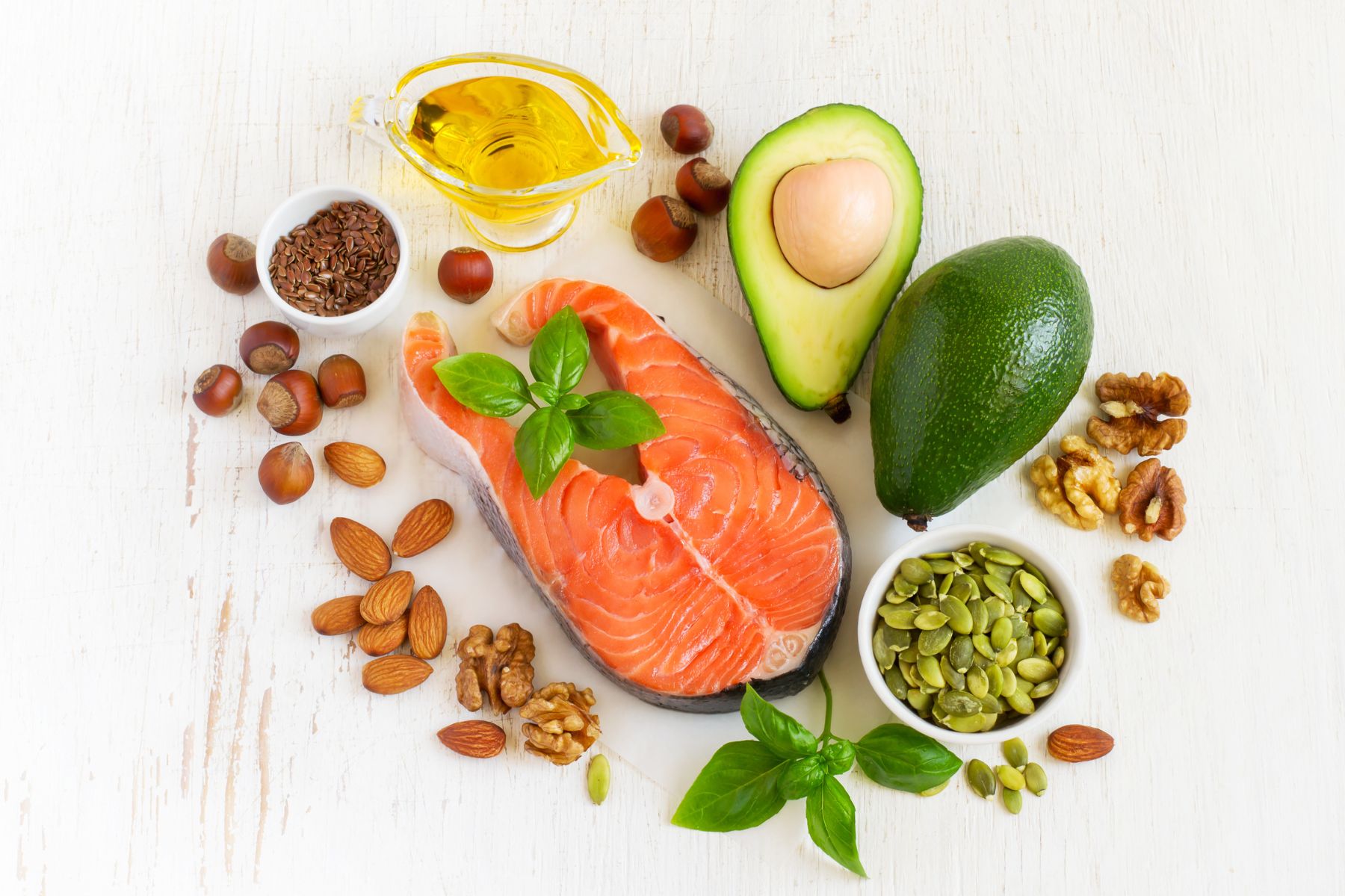
- Substance: eggs, tofu, lentils, beans, fish or cooked chicken.
- A filling accompaniment: bread, potatoes, pasta, couscous or another grain you enjoy.
- A finishing touch: olive oil, yoghurt, chopped nuts, seeds or a little cheese.
You do not need every option at once. Too many toppings can make an easy dinner feel like a project. Choose a few ingredients with different textures and let them do the work.
Use a warm centre with cool accompaniments
Dinner does not have to be entirely cold to suit warm weather. A freshly cooked centre with cool accompaniments often gives you the best of both: something comforting to eat, with plenty of contrast and less time spent cooking the whole meal.
Try warm new potatoes with flaked cooked fish and sliced radishes, or pan-cooked tofu with shredded lettuce and soft flatbread. A small baked potato can sit beside cottage cheese and crunchy vegetables. Serve each component as soon as it is ready, rather than leaving cooked food standing out to become lukewarm.
This approach also helps when people at the table want different things. Put the fresh vegetables and bread in the middle, then let everyone add their preferred amount of the warm component.
Choose cooking methods that keep the kitchen comfortable
When the room already feels warm, think about how much heat your dinner will generate. A short simmer, a covered pan or a quick cook in the microwave may be more appealing than running the oven for a single ingredient. Pick the method that suits both the food and your kitchen.
Cut vegetables into even pieces so they cook together, and get your cold accompaniments ready before switching on the heat. If you are boiling potatoes, you could cook green beans in the same pan towards the end, checking that both are tender before draining.
There is also room for meals assembled from ready-to-eat ingredients. Follow pack instructions, particularly for foods that need cooking or reheating. Convenience can be useful when the alternative is putting dinner off because cooking feels unappealing.
Let texture and acidity bring the meal to life
Fresh-tasting food needs more than a cold temperature. Soft ingredients benefit from something crisp, while plain starches often welcome a little sharpness. Think cucumber alongside soft lentils, toasted seeds over tender vegetables, or a squeeze of lemon over potatoes.
Add acidic ingredients gradually and taste as you go. Lemon juice, lime juice or vinegar should brighten the food without overwhelming it. If the result tastes too sharp, add more of the main ingredients or a spoonful of plain yoghurt, depending on the dish.
Keep juicy vegetables separate until close to serving if you want bread or leaves to retain their texture. You can also serve the dressing at the table, making it easy for everyone to adjust their own plate.
Try these easy evening combinations
Warm lentils with crisp vegetables and toast
Warm ready-cooked lentils according to the packet instructions. Spoon them beside finely sliced cabbage and grated carrot, then add a little olive oil and lemon juice. Serve with wholemeal toast and a spoonful of plain yoghurt if you like. The warm lentils make this feel like dinner while the raw vegetables keep it lively.
Eggs with green beans and bread
Cook green beans until tender, then serve with fully cooked eggs, sliced tomatoes and bread. Add chopped chives or parsley and a little olive oil. Keep the components separate if you prefer clear contrasts, or roughly chop everything together just before eating.
Tofu and vegetable lettuce cups
Cook strips of tofu until hot throughout, following the pack guidance. Put them into sturdy lettuce leaves with grated carrot and thinly sliced peppers. Add a little lime juice and serve with warmed flatbread. The lettuce gives crunch, while the bread makes the meal more substantial and easier to adapt to your hunger.
Serve flexibly when appetites differ
Warm weather does not affect everyone in the same way. You might want a modest dinner while someone else needs a generous plate. Serve a comfortable first portion with extra bread, potatoes or protein available, so nobody has to guess the perfect amount in advance.
If you are hungry again later, it is reasonable to eat something else. There is no need to make a light dinner into a test of willpower. Equally, you can stop when comfortably satisfied rather than finishing a large serving simply because it is there.
Keep the evening relaxed
Bring chilled ingredients out close to serving and return unused perishable food to the fridge promptly. Put out smaller amounts when eating outdoors, replenishing them as needed. Follow storage instructions on packaging and avoid leaving the whole meal on the table throughout a long evening.
For an easy starting point, choose one ingredient that needs cooking and build the rest of dinner around foods you can prepare while it cooks. A warm pan, something crisp and a filling accompaniment are often enough. You can enjoy a meal that feels right for the evening without making dinner complicated.