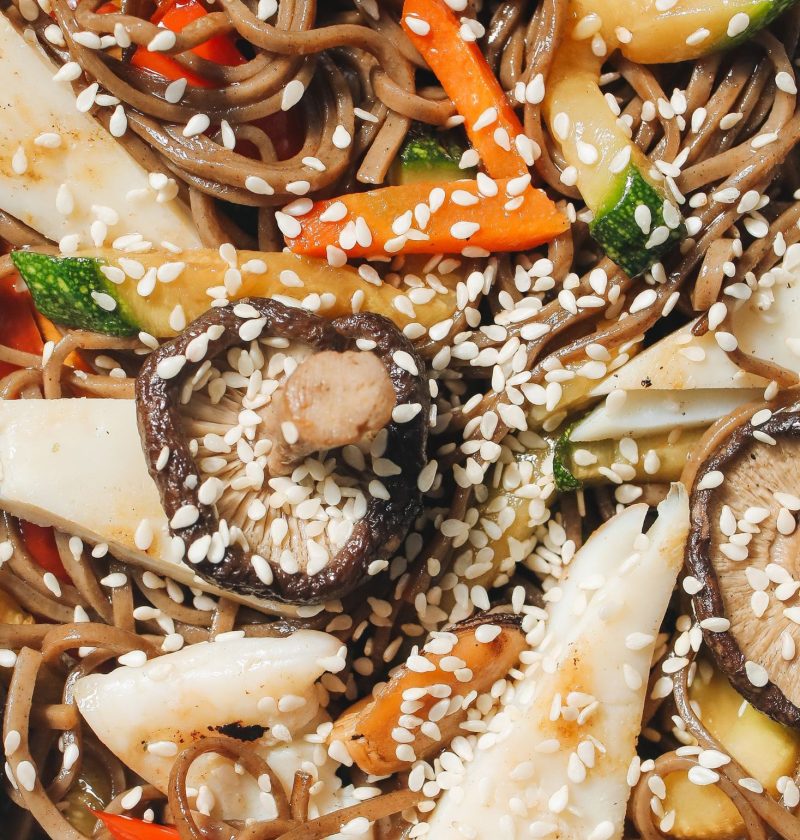
Peanut soba noodles are a useful meeting point between a noodle salad and a substantial bowl meal. The noodles carry a creamy dressing, while cucumber and carrot keep each bite crisp. Shelled edamame adds another texture and makes the vegetables feel integrated rather than scattered over the top as an afterthought.
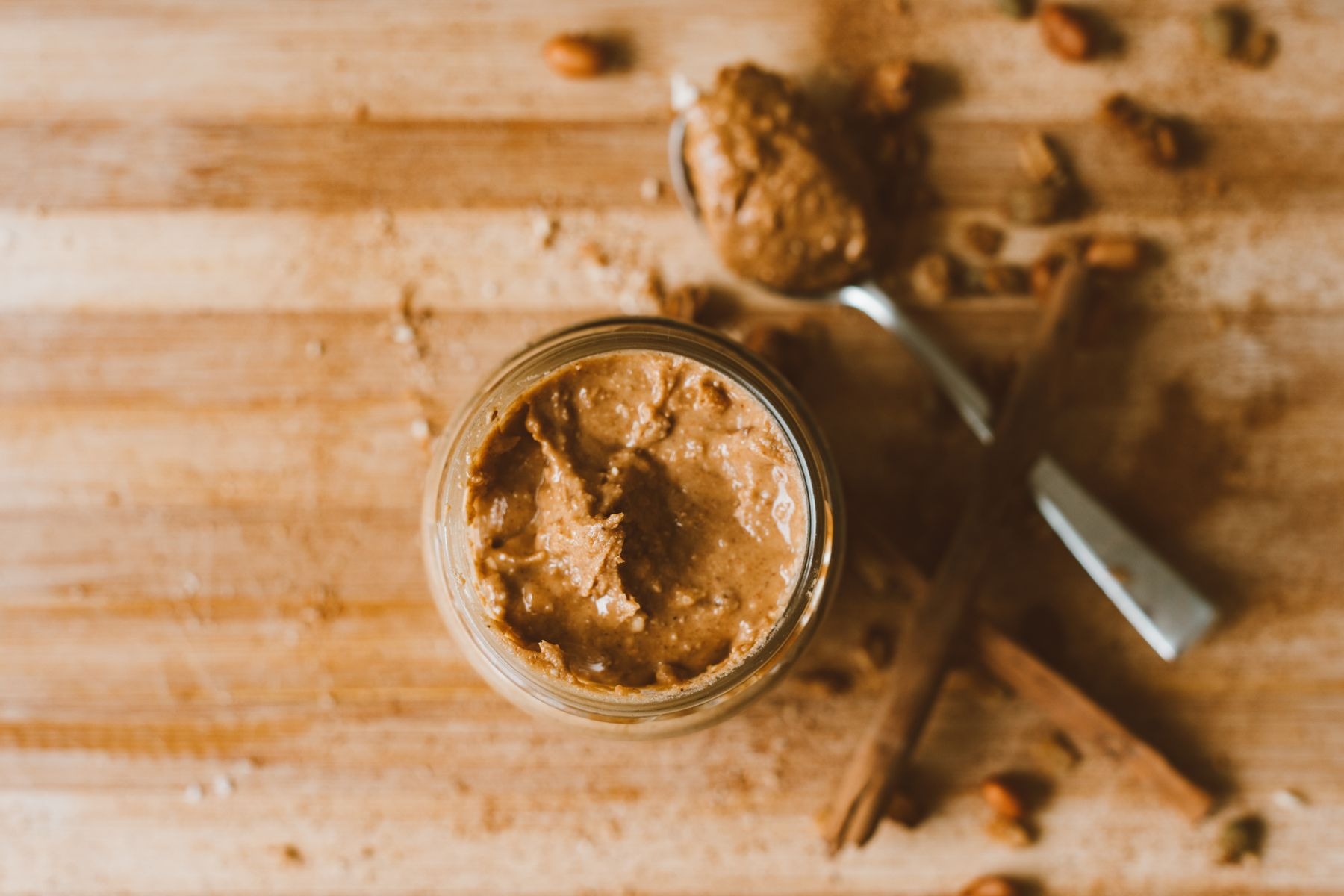
The main technique is rinsing the cooked soba thoroughly and draining it well before dressing. Surface starch can turn the noodles gummy, while trapped water dilutes the sauce. The peanut dressing is mixed separately and thinned gradually, so it coats the noodles without collecting in a thick lump at the bottom of the bowl.
Servings, Timing, and Equipment
Makes 4 servings. Allow 20 minutes for preparation and about 10 minutes for boiling and cooling the noodles, roughly 30 minutes total. Use a large saucepan, a colander with small enough holes for soba, a whisk, and a broad mixing bowl. This dish can be served cool immediately after assembly; no long room-temperature resting period is needed.
Ingredients
- 8 ounces dry soba noodles
- 1 cup frozen shelled edamame
- 1 medium cucumber, about 10 ounces
- 2 medium carrots, peeled
- 1 small red bell pepper, thinly sliced
- 3 scallions, thinly sliced
- 1/3 cup smooth peanut butter
- 2 tablespoons reduced-sodium soy sauce
- 2 tablespoons fresh lime juice
- 1 tablespoon rice vinegar
- 2 teaspoons maple syrup
- 1 teaspoon finely grated fresh ginger
- 1 teaspoon toasted sesame oil
- 1/4 cup warm water, plus up to 2 tablespoons more
- 2 tablespoons chopped roasted peanuts, optional
- 1 tablespoon chopped cilantro, optional
Prepare Vegetables and Dressing
Halve cucumber lengthwise and scoop out the watery seed channel if it is especially large. Cut into thin half-moons. Make carrot ribbons with a peeler, then cut long ribbons into manageable lengths, or use a coarse grater. Keep pepper strips thin enough to bend easily around a forkful of noodles.
Whisk peanut butter with soy sauce, lime juice, vinegar, maple syrup, ginger, and sesame oil. It may initially tighten or look uneven. Add the warm water a little at a time and keep whisking until smooth. The final dressing should flow in a thick ribbon from the whisk. Different peanut butters absorb liquid differently, so the extra water is a practical adjustment rather than an automatic addition.
Numbered Noodle Bowl Steps
- Bring a large saucepan of water to a boil. Cook edamame according to its package directions, commonly 3 to 5 minutes, then lift it out with a slotted spoon and cool under running water. Drain well.
- Return the water to a boil and add soba. Cook according to the package, usually 4 to 6 minutes, stirring gently at the start to separate strands. Taste before draining; the center should be cooked without becoming mushy.
- Drain noodles and rinse thoroughly under cool running water, lifting and separating the strands with clean hands or tongs. Continue until cool and no longer coated with loose starch.
- Shake the colander well and let noodles drain for 2 minutes. Do not leave them submerged in water, which encourages them to soften further.
- Put noodles, edamame, cucumber, carrots, pepper, and scallions in the mixing bowl. Add about three quarters of the dressing and toss gently with tongs. Add the rest as needed to coat everything evenly.
- Taste a noodle with a piece of vegetable. Adjust with a teaspoon of lime juice or a tablespoon of water if needed. Divide among bowls and scatter with optional peanuts and cilantro.
Texture Checks and Practical Fixes
Soba varies in buckwheat content and cooking behavior. Some noodles are delicate and break when tossed vigorously, so use a lifting motion instead of stirring in circles. The package is the best starting point for boiling time, and tasting is the final texture check. A fully cooked noodle should not have a dry, floury center.
If noodles cling before dressing, loosen briefly under cool water and drain again. Do not compensate with a large pour of oil, which can stop the peanut sauce from adhering. If the finished bowl seems dry after refrigeration, mix 1 tablespoon water with 1 teaspoon lime juice and fold it through a single portion before adding more.
Substitutions and Serving Choices
Sunflower seed butter can replace peanut butter, and toasted sunflower seeds can replace the peanut topping. This changes flavor and is not a guarantee against allergen cross-contact; check every relevant package. Tamari can replace soy sauce, and rice noodles can replace soba. Many soba products contain wheat, so do not assume the name alone means gluten-free.
Use cooked, chilled peas instead of edamame, or replace cucumber with thinly sliced snap peas for a firmer crunch. Rice vinegar can supply the acidity if lime is unavailable: start with an additional tablespoon, then taste. Keep hot sauce at the table so the whole batch does not become too spicy.
Storage and Safe Serving
Refrigerate promptly in shallow containers at 40 F or below and use within 3 days. Do not leave the bowl unrefrigerated for more than 2 hours, or 1 hour above 90 F. Carry lunch portions with cold packs. Freezing is not recommended because cucumber and dressed noodles lose texture. This is intended as a chilled dish; keep it cold until serving. See FDA handling guidance.