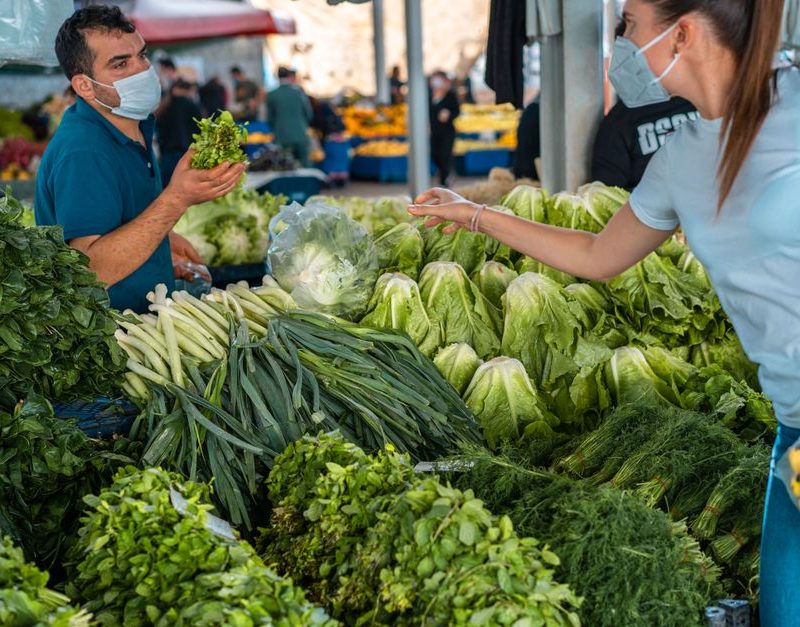
Eating seasonally in the UK through the year can give familiar meals a welcome change of character. The useful part is noticing when British crops arrive, overlap and disappear, then letting those changes influence a few choices. You do not need a completely different menu every month. A small rotation of vegetables and fruit can keep your usual breakfasts, lunches and dinners interesting without making shopping complicated.
Understand what seasonal means on the shelf
For this approach, seasonal means produce grown in the UK and available around its normal harvest period, with stored British crops extending some seasons. That is different from simply being available in a supermarket. Strawberries in winter and apples in spring may both be easy to buy, but their growing origins and journeys can be quite different.
A seasonal calendar is a starting point rather than a promise. Weather, location, variety and growing methods all affect availability. A crop may arrive earlier in a sheltered southern area than further north. Read the country of origin on the pack or shelf label, and ask a greengrocer what has recently come in. Let the actual produce guide you when a calendar and the shop disagree.
Follow the handover between seasons
The most useful moments to notice are the transitions. Old favourites remain available while something new begins to appear. You can keep the comforting meals you enjoy and change one ingredient, instead of replacing your entire routine overnight. The examples below are broad guideposts; local harvests will not always follow neat monthly boundaries.
Late winter into early spring
Leeks, cabbage, kale and roots can still carry meals while the range of newly harvested produce feels limited. Stored apples may also remain available. This is a good time to appreciate the difference between a crop being freshly picked and one being carefully stored after harvest. Both can have a place in seasonal eating.
Keep your expectations flexible during this quieter transition. A bowl of cabbage with beans and potatoes can sit alongside frozen vegetables and imported fruit. There is no need to force variety from a narrow local selection or abandon foods you enjoy. Seasonal choices can be part of your shopping basket without filling every corner of it.
Mid to late spring
As spring develops, look for British asparagus, radishes and spring greens, with different crops becoming available at different points. Rhubarb also deserves attention: early forced rhubarb and later outdoor rhubarb have different harvest windows. Its tartness makes it useful when you want a change from apples at breakfast or in a simple fruit pudding.
Choose one arrival to mark the change of season. Add radishes to your usual lunch, or serve a little cooked rhubarb with porridge. You do not have to buy every short-season crop at once. Trying a modest amount gives you time to decide whether it suits your tastes before planning more meals around it.
Early to high summer
Summer gradually brings a broader choice, including British strawberries, peas, broad beans, courgettes and salad leaves. These crops do not all peak together. Notice what becomes more prominent at your usual shop as the weeks pass, rather than treating the whole season as one fixed shopping list.
Fruit can provide a particularly easy seasonal marker. Swap the fruit beside your breakfast or after lunch as different berries arrive. For vegetables, retain a familiar meal and change its accompaniment: a sandwich might come with leaves and radishes, then cucumber and tomatoes as British supplies become available.
Late summer into early autumn
This transition offers an overlap between summer crops and arriving orchard fruit. Look for British plums, apples and pears as their individual varieties come into season. Tomatoes and courgettes may still be available too. The calendar does not require you to switch immediately from fresh salads to warming bowls.
Use that overlap to vary familiar meals. Have a tomato accompaniment one evening and sliced pear with lunch the next day. If you enjoy apples, try buying different named varieties as they appear. Their flavour and texture can make a routine fruit bowl more interesting without introducing an unfamiliar ingredient.
Late autumn into winter
As the choice changes again, roots, leeks, brassicas and stored crops become more prominent. Parsnips, swede, Brussels sprouts and cabbage offer plenty of possibilities, while stored onions and potatoes remain useful foundations. British winter fruit choices are narrower, so keep enjoying other fruit alongside stored apples when that suits you.
Make the seasonal change visible in a small part of dinner. Replace a summer vegetable accompaniment with cabbage, or put swede alongside the potatoes you already planned to cook. You can enjoy these ingredients without turning every meal into a project or buying a large selection of unfamiliar roots.
Keep the meal familiar and rotate the produce
A repeatable meal format makes seasonal eating easier to sustain. Think about the role an ingredient plays before replacing it. Something crisp beside a sandwich needs a different substitute from a soft vegetable stirred through a warm dish. You are choosing a suitable replacement, rather than expecting every vegetable to behave identically.
- Breakfast: keep porridge or yoghurt as your base and change the fruit when British options appeal.
- Lunch: keep your favourite sandwich filling and rotate the vegetable accompaniment through the seasons.
- Dinner: retain a familiar combination of potatoes, rice or pasta with beans, eggs, fish or another protein food, then vary the vegetables.
These small adjustments let the produce change the meal without requiring a new recipe each time. If a substitution needs substantially different preparation, use a method you already know or choose another ingredient. Convenience matters when you want a habit to last.
Use origin labels and your own preferences together
When two similar foods are available, check their origins before choosing. A seasonal display does not necessarily mean everything on it is British. Equally, local produce is not automatically something you will enjoy. Start with foods you already like, then explore a neighbouring option, such as another apple variety or a different cabbage.
Seasonality alone does not guarantee a lower price, superior nutrition or a smaller environmental impact. Growing conditions, storage and transport also matter. Avoid turning the shopping trip into a search for a perfect choice. Choose produce that looks suitable for your plans, fits your budget and is likely to be eaten.
Build a seasonal habit you can repeat
On your next shop, look for one British crop that signals the current season and decide where it fits into an existing meal. Make a brief note if you particularly enjoy it, including the variety where relevant. Over time, those preferences become a personal calendar: foods you look forward to, familiar meals that change gently, and room for whatever is practical that week.