At 6:15 a.m., your watch says you slept badly, your calendar shows a packed day, and your planned run starts in twenty minutes. The hard question is not how many sensors sit inside the watch. It is whether the information helps you choose a sensible workout, recover, and stay consistent.
A useful fitness tracker should turn movement, sleep, heart rate, and GPS data into clear decisions. It should also stay comfortable enough to wear at night, last long enough to avoid daily charging, and present numbers without making them sound like a diagnosis. No state law is discussed in this consumer technology review. This is not legal advice — consult a licensed attorney.
A Better Fitness Tracker Review Starts With the Problem
The real job is reducing guesswork
Fitness trackers exist because people struggle to connect daily behavior with long-term results. A workout can feel hard without being productive. A short night can make an ordinary run feel unusually heavy. A route can look flat on a map and still produce a slower pace because of heat, hills, or fatigue. The tracker gives those events a record, but the record only matters when it changes the next decision.
The best use is simple: collect a small set of repeatable signals, then compare them over time. Resting heart rate, sleep duration, training volume, pace, and perceived effort can show a pattern. A single poor sleep score cannot tell you that you are unwell. A rising heart rate during an easy run can tell you to slow down, drink water, or stop if the conditions feel unsafe.
What a tracker cannot promise
Wrist heart-rate readings can move when the band is loose, the skin is cold, or the activity includes gripping and lifting. Calorie estimates are estimates, not food budgets. Sleep stages are useful for spotting routines, but they are not a sleep-lab report. Treating every score as a medical fact is the fastest way to create anxiety and poor training choices.
My verdict is clear: buy a tracker for behavior feedback, not certainty. A model that gives fewer numbers but makes your next action obvious is more useful than a premium watch that fills the screen with data you never review.
Which Metrics Deserve Your Trust?
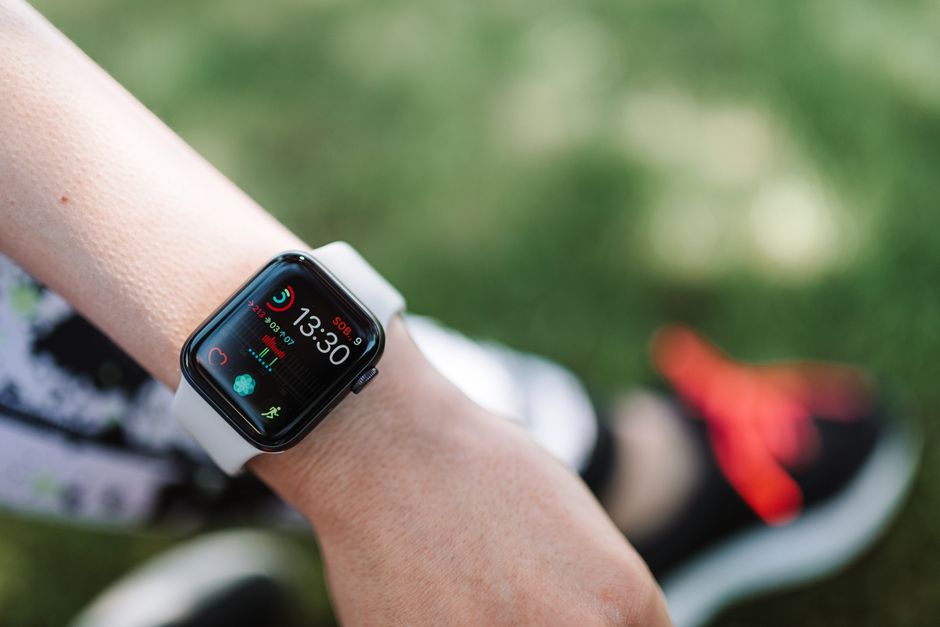
Does GPS matter for every workout?
GPS matters when distance and route shape affect the session. Runners, hikers, cyclists, and walkers benefit from built-in GPS because the watch can record pace and distance without carrying a phone. For strength training, yoga, indoor cycling, and mobility work, GPS adds little. A tracker with a strong activity timer and comfortable fit may serve those users better than a larger outdoor watch.
Is heart-rate data useful?
Yes, when you use it for trends. During steady running or walking, heart rate can help you hold an easy effort instead of drifting into a hard one. During intervals, it responds more slowly, so pace and perceived effort still matter. For strength training, wrist readings often become less dependable because the wrist bends and the forearm contracts. A chest strap can be a better tool for athletes who need precise effort data.
Should sleep and battery life influence the choice?
They should influence it heavily. Sleep tracking requires wearing the device overnight, and overnight wear fails when the battery runs out or the case feels bulky. A tracker that lasts seven to fourteen days can produce a more useful record than a device with extra features that needs charging every evening. Check the difference between advertised smartwatch battery life and GPS battery life. GPS, music, bright displays, and frequent notifications can reduce the real interval between charges.
The strongest buying rule is practical: choose the metrics you will review three times a week, then ignore the rest. That keeps the tracker in the role of a coach’s notebook instead of turning it into a source of constant alerts.
Garmin’s Current Choices at a Glance
The lineup separates by purpose, not just price
Garmin’s current range makes more sense when you match each model to a job. The prices below use US suggested retail figures and published specifications available in 2026. Garmin’s official product information lists the vívoactive 6, Forerunner 165, and Lily 2 Active with the following core differences.
| Model | US list price | Smartwatch battery | GPS battery | Best fit |
|---|---|---|---|---|
| Garmin Forerunner 165 | $249.99 | Up to 11 days | Up to 19 hours | Runners who want training tools |
| Garmin vívoactive 6 | $299.99 | Up to 11 days | Up to 21 hours GPS-only | Most everyday fitness users |
| Garmin Lily 2 Active | $299.99 | Up to 9 days | Up to 9 hours | Small wrists and discreet styling |
| Garmin Venu 3 | $449.99 | Up to 14 days | Varies by GPS mode | Premium wellness and smartwatch features |
The clear choices at each level
The Forerunner 165 wins for dedicated running value because its five-button layout, AMOLED screen, running metrics, and race-focused tools support regular training. The vívoactive 6 wins the broadest audience because it combines more than 80 sports apps, music storage, sleep coaching, and a bright display at a middle price. The Lily 2 Active wins for a smaller, more fashion-led design, but its 9-hour GPS limit makes it less suitable for long outdoor sessions. The Venu 3 wins for premium comfort and wellness features, yet its higher price is difficult to justify for someone who mainly counts steps and records short walks.
For most buyers, the vívoactive 6 is the safest starting point. It has enough training depth for a new runner and enough everyday comfort for someone whose main goal is more movement.
Why the vívoactive 6 Is the Best All-Round Pick

It balances daily health feedback with real workout tools
My top pick is the Garmin vívoactive 6. It costs $299.99, weighs 23 grams without the band, measures 42.2 millimeters across, and uses a 1.2-inch AMOLED display with 390 by 390 pixel resolution. Those figures explain its appeal: it is light enough for sleep, large enough to read during a walk, and capable of recording serious basics without looking like a specialist race watch.
Its battery rating is up to 11 days in smartwatch mode, up to 21 hours in GPS-only mode, and up to 17 hours with all satellite systems. Always-on display use reduces the smartwatch estimate to about five days. That difference matters. Buyers who want a bright screen should plan to charge more often than the headline number suggests. The watch also has a 5 ATM water rating, music storage, Garmin Pay, sleep score, Body Battery, HRV status, recovery time, and more than 80 sports apps.
Where the alternatives beat it
The Forerunner 165 is the better choice for a runner who wants training plans, pace guidance, running power, and physical buttons at a lower price. Its GPS rating reaches 19 hours in GPS-only mode, so it is a strong pick for road races and routine training. The Venu 3 is better for shoppers who want a larger premium watch, speaker and microphone features, and up to 14 days of smartwatch battery life. It costs much more, so the extra money should buy features you will use every week.
The Lily 2 Active is the better fit for someone who dislikes large watches. It measures 38 by 38 millimeters, weighs 29 grams, includes built-in GPS, and lasts up to nine days in smartwatch mode. Its hidden grayscale display looks refined, but the small screen and 9-hour GPS rating are real tradeoffs. It is not the best choice for long hikes or detailed run workouts.
Garmin also warns that Pulse Ox and activity readings are not medical measurements. Use them to notice patterns, not to diagnose a condition or ignore symptoms.
Five Buying Mistakes That Make Garmin Feel Wrong
Check these traps before paying
- Buying the wrong training identity: A casual walker may waste money on the Forerunner 165, while a half-marathon trainee may outgrow the Lily 2 Active quickly. Pick the activity you will do most often, not the activity you hope to start someday.
- Confusing smartwatch battery with GPS battery: The vívoactive 6 can last up to 11 days as a smartwatch but up to 8 hours with all satellite systems and music. If you run with downloaded music, that shorter figure is the one that affects you.
- Assuming every screen is equally readable: The Venu 3 and vívoactive 6 use bright AMOLED displays. That looks excellent indoors, but an always-on display costs battery. The Lily 2 Active uses a hidden grayscale screen, which saves a different kind of space and energy but shows less workout detail.
- Treating calorie numbers as permission to eat more: Wrist-based calorie estimates can be wrong by enough to undermine a nutrition plan. Use body weight trends, hunger, meal quality, and professional guidance instead of adding back every reported exercise calorie.
- Ignoring the phone and app relationship: Garmin’s strongest experience comes through Garmin Connect. Check phone compatibility, notification preferences, music subscriptions, and payment support before buying. A watch can have excellent sensors and still feel frustrating if the connected features do not fit your routine.
When another brand is the smarter purchase
Do not buy Garmin if you mainly want a polished phone companion, deep app integration, or a large smartwatch app store. An Apple Watch is usually the stronger choice for iPhone owners who prioritize calls, messages, and broad smartwatch functions. A Fitbit may be simpler for someone who wants basic activity and sleep tracking with less training detail. A dedicated bike computer is better for cyclists who need maps, navigation, and handlebar visibility. The best Garmin is still the wrong product when its ecosystem does not match the device already in your pocket.
Who Should Buy Which Garmin Tracker?
Should a new exerciser choose the vívoactive 6?
Yes. For a person building a walking, strength, mobility, or general fitness habit, the vívoactive 6 offers the best balance of clear health feedback, guided workouts, GPS, sleep tools, and battery life. It gives enough information to build consistency without forcing a runner’s training language on every user.
Is the Forerunner 165 worth choosing instead?
Choose the Forerunner 165 if running is the center of the plan. Its lower $249.99 price, physical buttons, running metrics, pace tools, and adaptive training features make it the better value for someone preparing for a 5K, 10K, or half marathon. Choose the Lily 2 Active if case size and appearance matter more than long GPS sessions. Choose the Venu 3 if premium wellness and smartwatch features justify the $449.99 price.
The final recommendation is specific: for most healthy adults who want one Garmin fitness tracker for walking, gym sessions, sleep, and occasional running, buy the Garmin vívoactive 6. Pick the Forerunner 165 only when structured run training is your main goal, and pick the Lily 2 Active only when a smaller watch will make you wear it more consistently.
Medical Disclaimer: This content is for informational purposes only and does not constitute medical advice. Always consult a qualified healthcare professional before making health-related decisions.