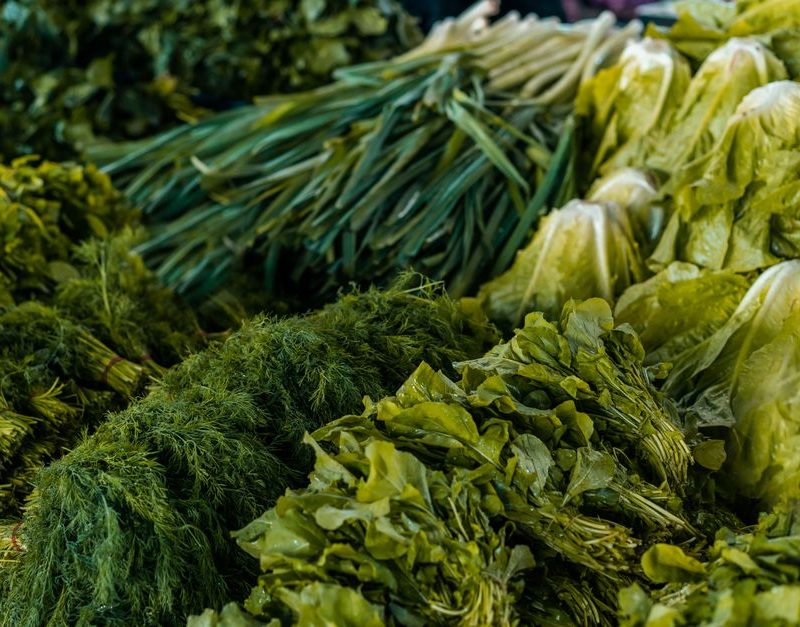
Spring greens can look rather unassuming: a loose bundle of dark leaves, often sitting beside neatly wrapped cabbages. Yet they bring a pleasantly earthy flavour and satisfying bite to everyday meals. If you have bought a bag without a particular dish in mind, treat the leaves as an ingredient in their own right. Give them enough room to cook, pay attention to the thicker ribs, and choose a few flavours that complement their character.
What are spring greens?
In British shops, spring greens usually means young, loose leaves from cabbages that have not formed a firm heart. The name does not simply mean any green vegetable available in spring. Spinach, rocket and pea shoots have their own qualities, so a recipe calling for spring greens generally expects something sturdier than a delicate salad leaf.
The leaves vary in size and thickness. Some soften quickly, while others have substantial central ribs that need extra attention. Look at the bunch you have rather than relying entirely on a timer. This makes it easier to achieve tender greens without cooking the thinner parts until they lose their texture.
Choose leaves that suit your meal
Look for leaves that feel firm and fresh, with a good green colour. A few uneven edges are less important than the overall condition. Avoid leaves that are slimy, mouldy or smell unpleasant. Smaller leaves are convenient for quick cooking; larger ones work well when finely shredded.
A generous-looking pile will shrink in the pan, although spring greens retain more substance than spinach. For a side dish, around 150g of untrimmed greens per person is a useful starting point. Adjust according to the rest of the meal and your appetite. They are particularly handy when you want a vegetable with enough bite to hold its own alongside soft potatoes or a creamy sauce.
Deal with the ribs before you start
Separate the leaves and rinse them thoroughly under running water, checking the folds for soil. Shake off excess water. For steaming, a little moisture on the leaves is helpful; for cooking in oil, drain them well so the pan does not immediately fill with water.
Fold a large leaf along its central rib and cut away any thick, tough section. Tender ribs can stay attached. Slice firmer but usable ribs thinly and cook them before adding the leafy parts. Discard woody pieces that would remain unpleasant to chew.
Stack a few leaves, roll them loosely and slice across into ribbons. Narrow ribbons are easier to fold through mashed potatoes or pile onto toast. Broader strips give more texture alongside a main course. Keeping the pieces roughly similar in size helps them cook evenly.
A reliable pan of lemony spring greens
This simple preparation serves two as a side dish and gives you a starting point for other meals. Garlic adds savoury flavour, while lemon lifts the finished greens. Add the lemon gradually so you can judge the balance for yourself.
Ingredients
- 300g spring greens, weighed before trimming
- 2 teaspoons olive oil
- 1 garlic clove, finely sliced
- 3 tablespoons water, plus extra if needed
- 1 teaspoon lemon juice, plus more to taste
- Freshly ground black pepper
- A small pinch of salt, if needed
Method
- Wash the greens, remove tough central ribs and shred the leaves. Thinly slice any tender ribs you want to use.
- Warm the oil in a wide saucepan or deep frying pan over a medium heat. Add the sliced ribs, if using, and cook for about two minutes, stirring.
- Add the garlic and stir briefly until fragrant, keeping it pale. Add the leaves in handfuls, turning them as they begin to soften.
- Pour in the water and cover. Cook for three to five minutes, stirring halfway through. Taste a ribbon: it should be tender enough to chew comfortably while retaining some bite. Thicker leaves may need longer and another splash of water.
- Remove the lid. If liquid remains, cook briefly uncovered, stirring, until most has evaporated. Take off the heat and add lemon juice and pepper. Taste before adding salt or more lemon, then serve warm.
Turn the greens into part of dinner
Serve your greens beside fish, chicken, tofu or a bean dish, with potatoes, bread or another starchy food to make the meal more substantial. You can also incorporate the cooked leaves directly into something you already make. Start with a familiar dish so you can judge how much texture and flavour you enjoy.
- Fold into mash: stir well-drained, finely shredded cooked greens through mashed potatoes. Add a little milk or olive oil if the mixture needs loosening.
- Fill a baked potato: combine warm greens with cooked lentils and spoon into a split potato. A dollop of plain yoghurt adds a soft contrast.
- Make savoury toast: spread toast with ricotta or mashed butter beans, then add warm greens and black pepper. Chop the leaves finely so they are easy to bite through.
- Add to noodles: cook shredded greens separately, drain, then toss with noodles and tofu. Ginger and sesame oil offer a different flavour direction from the lemon version.
Adjust the flavour without a complicated sauce
Spring greens have enough character to stand up to mustard, citrus and warming spices. Stir a small spoonful of wholegrain mustard through the finished pan, tasting before adding salt. For gentle warmth, add a pinch of chilli flakes with the garlic. Toasted pumpkin seeds scattered over the top contrast with the tender leaves.
If the flavour seems too strong, try cutting the leaves more finely and pairing them with something mild, such as potatoes or yoghurt. If they taste flat, check the texture first, then add a little acidity or seasoning. Extra cooking will not necessarily solve a dish that simply needs a brighter finish.
Keep the remaining leaves useful
Store uncooked spring greens in the fridge, loosely wrapped or in a suitable container, following any storage instructions on the pack. Check them before use. Keep them away from raw meat and fish, and avoid packing them tightly while wet. Plan to use the most delicate leaves first.
If you cook more than you need, cool the extra greens promptly and refrigerate within two hours. Use within two days, reheating only once until steaming hot throughout. A small portion can go into a potato filling or warm lentils. Add it near the end so the already tender leaves do not cook for the entire preparation.
You do not need a different recipe for every bunch. Once you recognise which ribs to trim and how tender you like the leaves, spring greens become easy to include in ordinary cooking. A simple panful, finished to suit the rest of dinner, is often all they need.