Eating more fibre can begin with the meals you already make. You do not need to replace every favourite dish or buy a cupboard full of unfamiliar ingredients. A small addition at breakfast, a different accompaniment at lunch, or an extra plant ingredient in dinner can give fibre a more regular place in your day. The useful habit is to notice opportunities across several meals, rather than trying to fit everything into one enormous salad.
Think in terms of everyday ingredients
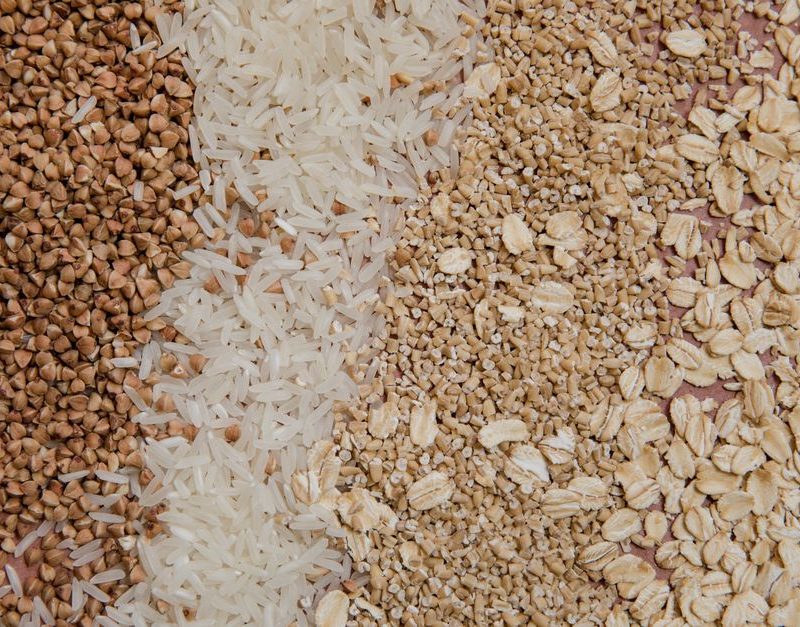
Fibre is found in plant foods, including grains, vegetables, fruit, pulses, nuts and seeds. These foods offer different textures and flavours, so there is plenty of room to choose things you enjoy. You need not make every meal revolve around the same ingredient.
Start by looking at a familiar meal and asking where a plant food could fit comfortably. Scrambled eggs might welcome wholemeal toast. A bowl of soup could take a spoonful of cooked lentils. A baked potato could keep its skin and gain a vegetable topping. Keeping the original meal recognisable makes the change easier to repeat.
Build up gently
If your usual meals contain little fibre, introduce changes gradually and drink regularly through the day. A sudden increase can leave you feeling bloated or uncomfortable. Choose one manageable change, let it become familiar, and then consider another.
For example, begin by adding a little cooked barley to a vegetable soup rather than making several large changes at once. You can increase the amount as it suits you. There is no need to force yourself through discomfort to prove that a new habit is working.
If you have a digestive condition, have been advised to limit fibre, or need guidance about ongoing symptoms, speak to your GP or a registered dietitian. Individual advice takes priority over general food suggestions.
Find an easy opening at breakfast
Breakfast is a useful place to establish a repeatable habit because many people eat similar things each morning. Choose an addition that suits your existing routine and the texture you like.
- Stir a spoonful of oats into yoghurt and leave it to soften before eating.
- Add chopped pear to porridge for a little contrast with the creamy oats.
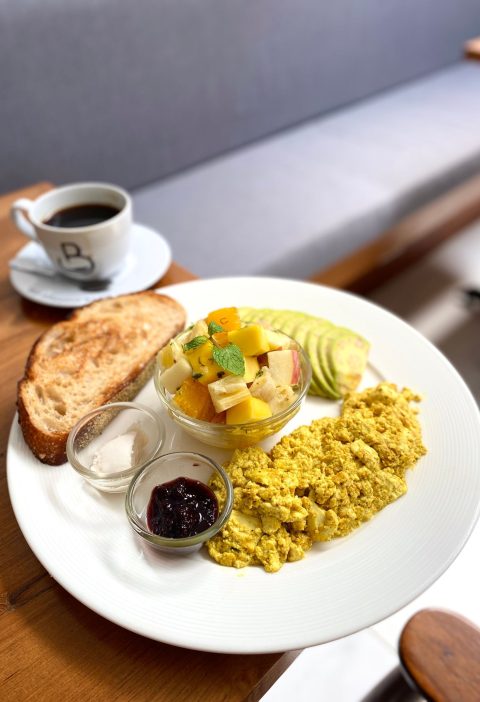
- Serve wholemeal toast alongside eggs, tomatoes or mushrooms.
- Scatter chopped nuts over a breakfast bowl if they suit your dietary needs.
You can keep the change very small. If a bowl of cereal is your reliable breakfast, try mixing in a little plain oat cereal rather than replacing the whole bowl immediately. If you prefer something savoury, leftover roasted vegetables can accompany toast. The best option is one you can prepare without making mornings harder.
Give lunch something to build on
A quick lunch often starts with bread, crackers, a wrap or leftovers. Keep that convenient starting point and add a fibre-containing component that fits the filling or topping.
A cheese sandwich can take grated carrot and shredded cabbage for crunch. A bowl of leftover roast vegetables can become lunch with cooked lentils and a lemon dressing. A plain wrap can hold mashed butter beans, roasted peppers and a little grated cheese. You do not need to turn lunch into an elaborate recipe.
Pay attention to moisture as well as ingredients. Drain cooked pulses well before adding them to a sandwich, and keep juicy tomatoes separate until you are ready to eat if soggy bread bothers you. A lunch that still tastes good when you open it is more likely to become a regular choice.
Use dinner sauces as an opportunity
Sauces, fillings and one-pot meals offer space for small additions without requiring another pan. Match the ingredient to the dish rather than adding something simply because it is available.
- Add a few spoonfuls of cooked green lentils to a mushroom sauce.
- Fold finely chopped cooked broccoli into a cheese sauce for pasta.
- Stir frozen peas into a vegetable rice dish and cook them through.
- Add diced aubergine to a tomato sauce, allowing time for it to soften.
- Mix cooked beans into a pie filling before adding the topping.
Adjust the liquid and seasoning as you go. Lentils can thicken a sauce, while courgettes and mushrooms release moisture. Taste before serving and use herbs, pepper, garlic or lemon to bring the dish together. An addition should feel like part of dinner, with a texture you actually want to eat.
Keep some texture on the plate
Fibre does not require a plate of raw vegetables. Soft stewed fruit, tender vegetables and smooth pulse spreads can all have a place. Choose preparation methods that make the food appealing to you.
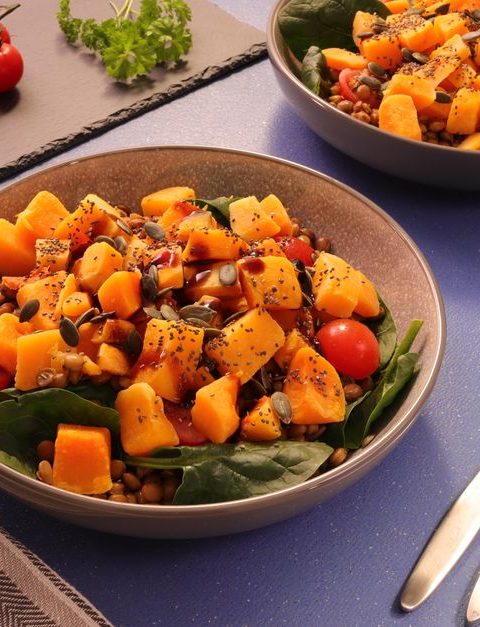
Where edible skins suit the dish, leaving them on can save preparation too. Scrub potatoes before roasting, dice an unpeeled apple into a warm breakfast bowl, or roast wedges of skin-on squash if the variety has an edible skin that softens during cooking. Remove damaged areas and any parts you would not normally eat.
If you dislike a particular texture, change the preparation before dismissing the ingredient. Grated carrot behaves differently from thick raw batons, and mashed peas feel different from whole ones. You can work with your preferences while widening the choices available.
Make snacks optional and useful
You do not need extra snacks simply to add fibre. If you are hungry between meals, though, a snack can offer another opportunity. Try oatcakes with a bean spread, an apple with nut butter, or a small bowl of edamame prepared according to the packet instructions.
Choose something that suits the setting. Oatcakes travel easily, while yoghurt with fruit is more convenient when you have access to a fridge. Keep ready-to-eat options visible so they are easy to remember, and avoid buying several new foods that you may struggle to use.
Choose one habit you can repeat
A useful starting point is the meal that feels least complicated to change. That might be your usual toast, the soup you take to work, or a sauce you cook often. Attach the new ingredient to that familiar meal so you do not need a fresh decision every day.
- Pick one meal you eat regularly.
- Choose a small addition that suits its flavour and texture.
- Put the ingredient where you will see it when preparing that meal.
- Repeat the change, then adjust it according to enjoyment and comfort.
Once it feels ordinary, look for a second opportunity elsewhere in the day. Some meals will contain more fibre than others, and that is fine. A varied collection of familiar, enjoyable foods gives you more ways to keep the habit going when your routine changes.