The best menopause diet plan is a Mediterranean-style eating pattern built around vegetables, fruit, beans, whole grains, fish, unsaturated fats, and enough protein. It does not promise to stop hot flashes, melt away menopause weight gain, or replace medical treatment. Its real value is more practical: it supports muscle, bones, blood pressure, cholesterol, digestion, and steady energy during a stage when those systems deserve extra attention.
The strongest menopause diet starts with a balanced plate
Choose a balanced Mediterranean-style plate over a detox, fasting challenge, or very low-carbohydrate plan. Menopause changes body composition and bone turnover, but it does not create a special food that fixes every symptom. A repeatable plate gives you a better foundation than a short restriction cycle.
A simple meal structure
| Meal part | Practical target | Useful examples |
|---|---|---|
| Vegetables or fruit | At least 2 handfuls | Leafy greens, peppers, berries, oranges |
| Protein | One palm-sized portion | Fish, eggs, tofu, beans, poultry, Greek yogurt |
| High-fiber carbohydrate | One cupped-hand portion | Oats, quinoa, potatoes, brown rice, whole-grain bread |
| Unsaturated fat | One thumb-sized portion | Olive oil, walnuts, avocado, seeds |
| Calcium-rich food | Two or three daily servings | Milk, yogurt, fortified soy milk, calcium-set tofu |
Why this plate earns the top spot
This pattern supplies fiber for fullness and bowel regularity, protein for muscle maintenance, and unsaturated fats that fit heart-friendly eating. It also leaves room for cultural foods and personal preferences. The National Institutes of Health menopause guidance recommends vegetables, fruits, whole grains, physical activity, calcium, and vitamin D as part of long-term risk reduction. The clear verdict is simple: build meals around plants and protein first, then adjust portions instead of banning whole food groups.
Do not chase a perfect food for hot flashes

There is no single menopause food that reliably ends hot flashes, and a diet should not be judged by one symptom alone.
Track patterns, not promises
For two weeks, record meals, alcohol, caffeine, sleep, stress, and symptoms; this can reveal personal triggers without forcing you into an unnecessarily narrow diet.
Keep the useful middle ground
Spicy meals, alcohol, and very hot drinks trigger symptoms for some people, but removing them only makes sense when your own notes show a pattern; do not discard nutritious foods because an online list labels them as universally harmful.
Use diet to support health and identify triggers, not to blame yourself for symptoms that may need clinical treatment.
Menopause changes the nutrition priorities that matter most
The reason diet matters more during and after menopause is not that the body suddenly stops responding to healthy food. The shift is that lower estrogen, aging, reduced activity, sleep disruption, and changes in muscle mass can push several risks in the same direction. A plan that only cuts calories misses the deeper problem.
Protein protects the tissue you use every day
Muscle helps with strength, balance, glucose control, and daily independence. Spread protein across breakfast, lunch, and dinner instead of saving it for the evening. Eggs, fish, poultry, tofu, lentils, beans, cottage cheese, and plain yogurt all work. A bone-health review has used about 1 gram of protein per kilogram of body weight per day as a practical reference, but kidney disease and some medical treatments require individual advice. For a 70-kilogram adult, that reference equals about 70 grams across the day, not 70 grams at one meal.
Calcium and vitamin D support bone planning
Women over 50 have a calcium recommended intake of 1,200 milligrams per day in U.S. guidance. Food comes first: yogurt, milk, calcium-fortified soy drink, calcium-set tofu, canned salmon with bones, and greens can contribute. Vitamin D helps the body absorb calcium, yet food intake, sunlight, skin tone, location, age, and medications all affect status. Do not start high-dose supplements based on a social media checklist; ask a clinician or pharmacist about testing, dose, and interactions.
Fiber and unsaturated fat improve the wider picture
Beans, oats, vegetables, berries, nuts, seeds, and whole grains help replace refined snacks with foods that digest more slowly. Olive oil, avocado, walnuts, and oily fish provide unsaturated fats. Together, these choices support a heart-aware pattern without demanding a low-fat or fat-free menu. The NIH calcium fact sheet also explains why menopause increases the need to pay attention to bone nutrition.
Build a seven-day plan with these practical rules

A good plan should survive busy mornings, restaurant meals, and low-energy evenings. Use the rules below as a weekly framework rather than a rigid prescription.
The weekly setup
- Choose two breakfasts that contain protein, such as oats with Greek yogurt and berries or eggs with whole-grain toast.
- Prepare two vegetables, one whole grain, and one bean or lentil dish for the first half of the week.
- Eat fish once or twice weekly if you enjoy it, selecting options that fit local mercury guidance.
- Put a calcium-rich food into at least two meals each day.
- Keep a planned snack available: fruit with nuts, yogurt, edamame, or vegetables with hummus.
- Use water as the default drink and keep alcohol limited, especially if it worsens sleep or hot flashes.
- Pair the diet with resistance exercise at least two days weekly and regular weight-bearing movement, when medically appropriate.
The portion correction that prevents overrestriction
If weight is rising, reduce the least filling extras first: sugary drinks, alcohol, desserts, oversized oil portions, and frequent grazing. Do not slash protein, vegetables, or calcium-rich foods to create a faster result. Fast loss can cost muscle, increase hunger, and make the plan harder to maintain.
Use food labels without turning meals into a shopping test
My clearest consumer verdict is to buy the simplest version you will actually eat, not the product with the most menopause claims on its package. Brand names can help illustrate serving sizes, but no package has special power because it says “women’s wellness.” Check protein, added sugar, sodium, calcium, and serving size.
Five label examples
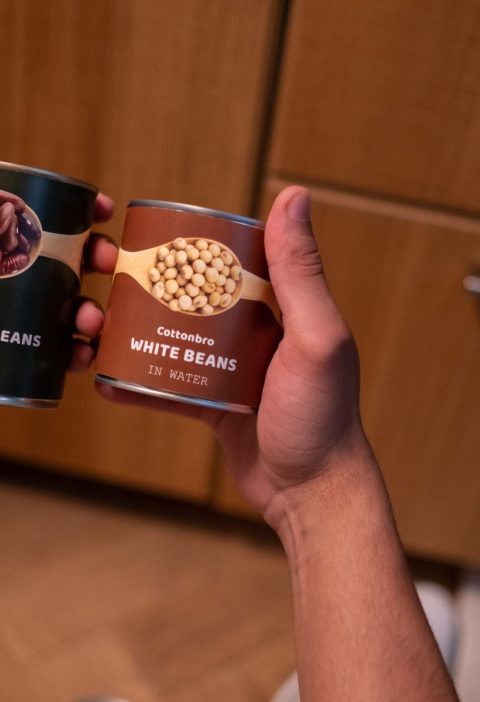
A 5.3-ounce cup of Chobani Non-Fat Plain Greek Yogurt can serve as a protein-and-calcium base. A half-cup dry serving of Bob’s Red Mill Old Fashioned Rolled Oats works as a high-fiber breakfast carbohydrate. A half-cup serving of Eden Organic No Salt Added Black Beans can add plant protein and fiber. A 3.75-ounce tin of King Oscar Sardines in Extra Virgin Olive Oil provides fish protein and edible bones that contribute calcium. An 8-fluid-ounce glass of Oatly Original Oatmilk can fit a dairy-free plan, but check the label because calcium and protein levels vary by version and country.
The mistake these examples help prevent
Do not treat a brand serving as a universal prescription. Compare labels, especially for fortified drinks, flavored yogurt, canned soups, and ready-to-eat meals. Choose plain or lower-sugar versions when they taste acceptable, then add fruit, cinnamon, herbs, or olive oil at home. These examples are optional grocery references, not endorsements, and none replaces a varied diet.
Menopause diet questions deserve direct answers

Can a menopause diet reduce belly fat?
It can support gradual fat loss when overall intake matches your activity and energy needs, but it cannot target belly fat alone. Build meals with protein, produce, fiber, and measured fats, then add strength training to protect muscle. Avoid promising a specific waist change in a specific number of days.
Should you avoid soy?
Most people can include ordinary soy foods such as tofu, tempeh, edamame, or calcium-fortified soy drink. Soy foods are not the same as concentrated supplements, and people with allergies or particular medical concerns should ask a clinician. Do not use soy as a substitute for evaluation of severe or persistent symptoms.
Are supplements required after menopause?
No single supplement is required for every person. Supplements may help when food intake, blood tests, medication use, absorption problems, or bone risk make them appropriate. Calcium can interact with some medicines, and excess supplementation is not automatically safer. Review the full list with a pharmacist, especially if you have kidney disease, a history of kidney stones, or take thyroid or osteoporosis medication.
The final plan should protect health without making life smaller
The best menopause diet plan is a flexible Mediterranean-style routine with protein at each meal, calcium-rich foods twice or three times daily, vegetables and fruit, high-fiber carbohydrates, unsaturated fats, limited alcohol, and enough food to support movement. It should make ordinary meals easier, not turn every symptom into a moral judgment.
When diet alone is not enough
Seek medical advice for heavy or unusual bleeding, unexplained weight loss, repeated fractures, severe fatigue, persistent depression, new chest pain, or symptoms that disrupt sleep and work. People with diabetes, kidney disease, celiac disease, inflammatory bowel disease, a history of eating disorders, or a complex medication list need a more individual plan. Food can support treatment, but it cannot diagnose the cause of a symptom or replace care for osteoporosis, cardiovascular disease, or severe vasomotor symptoms.
The one decision to make this week
Plan three repeatable meals that each include a protein source, a plant food, and either a whole-grain carbohydrate or a calcium-rich food. Then walk, dance, or complete suitable resistance exercise on a regular schedule. The NHS menopause guidance also supports balanced eating, calcium-rich foods, weight-bearing activity, less alcohol, and smoking cessation for long-term health.
The single most important takeaway: choose a balanced, protein-aware Mediterranean-style diet you can repeat for years, then personalize it with a clinician when symptoms or medical risks require more than food.
Medical Disclaimer: This content is for informational purposes only and does not constitute medical advice. Always consult a qualified healthcare professional before making health-related decisions.